-
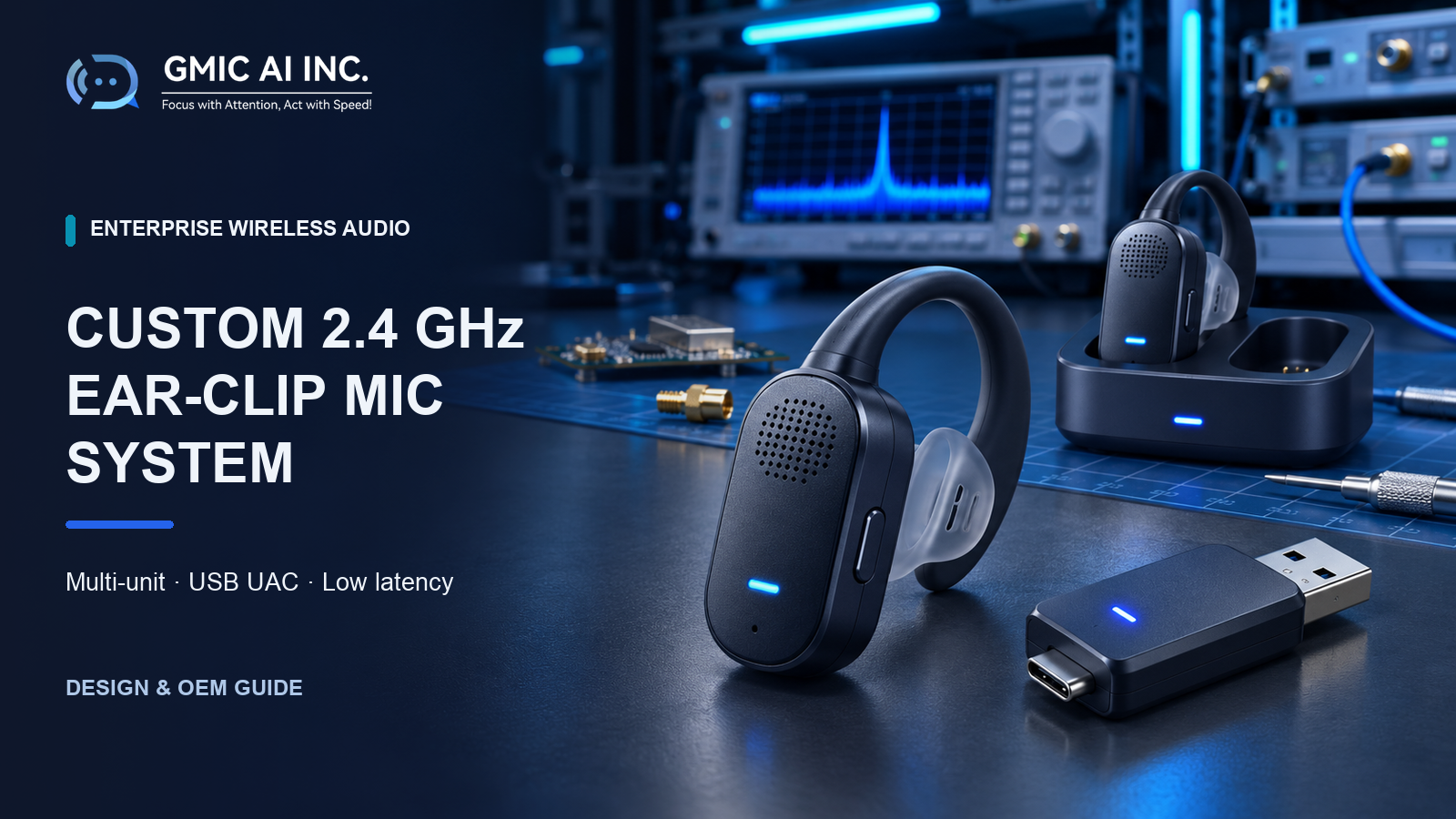
Custom 2.4 GHz Ear-Clip Microphone System: OEM Design Guide
A custom 2.4 GHz ear-clip microphone system can give a voice application a predictable wireless audio path without depending on a user’s Bluetooth settings. The product normally combines a lightweight ear-worn or ear-adjacent transmitter, a dedicated USB receiver, microphone and DSP, radio firmware, battery management and a host interface that appears as a standard…
-
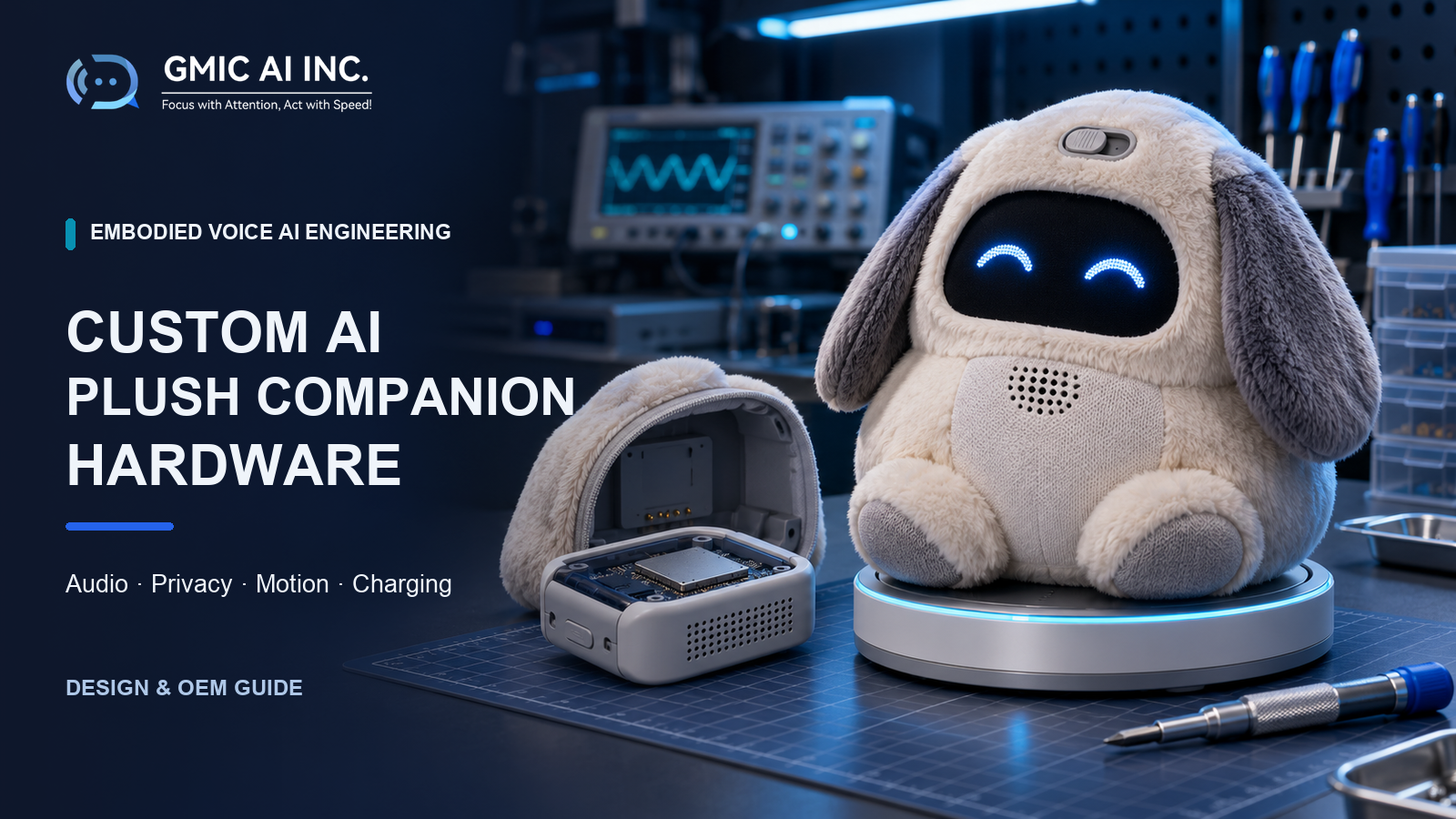
Custom AI Plush Companion Hardware: Design and OEM Guide
Custom AI plush companion hardware turns a soft character into a voice product with microphones, a speaker, wireless connectivity, optional display eyes or motion, and a service that manages speech and AI responses. The hard part is not placing electronics inside a toy. It is making acoustics, heat, privacy, cleaning, charging and the customer-owned…
-
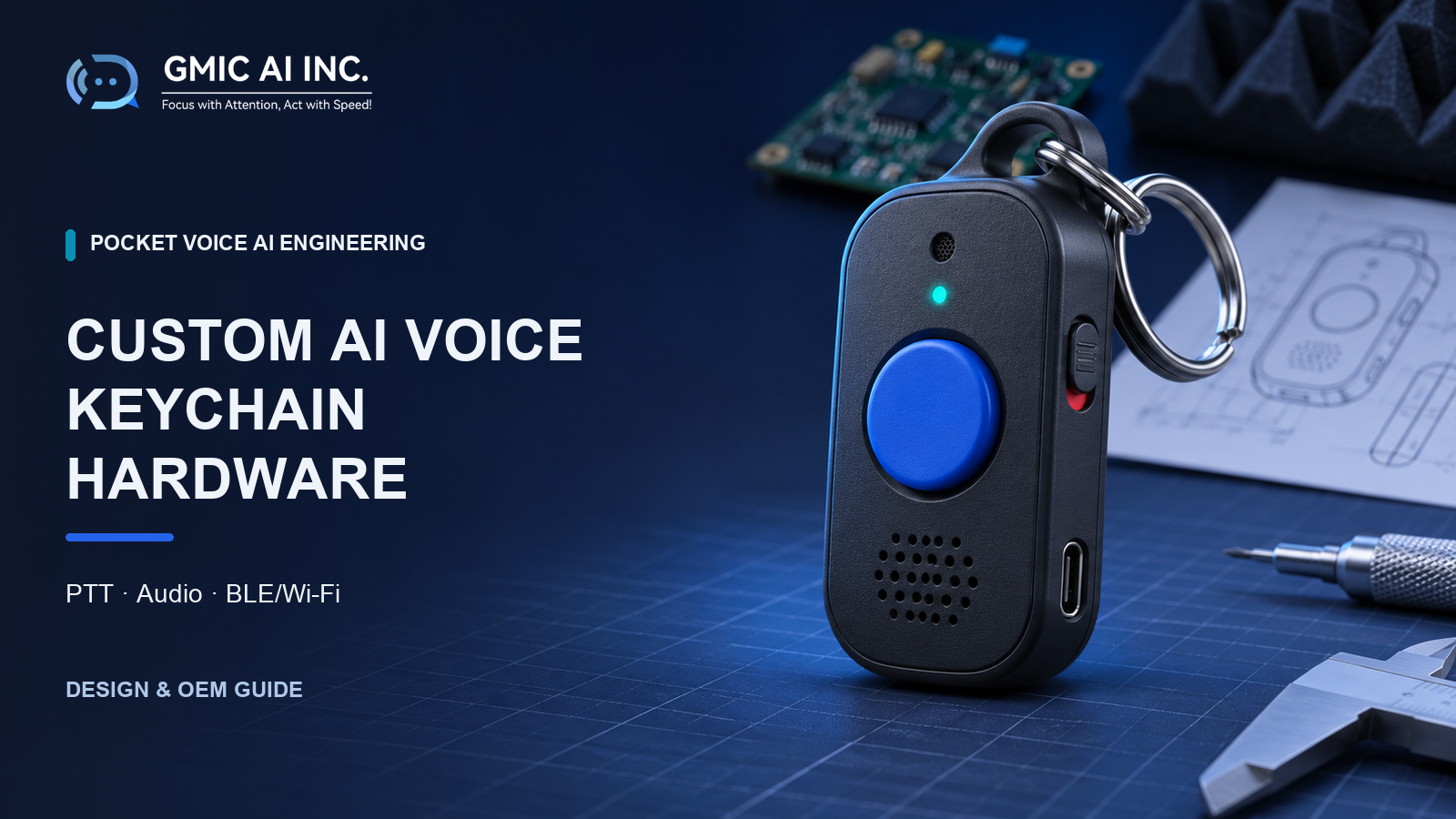
Custom AI Voice Keychain Hardware: Design and OEM Guide
Custom AI voice keychain hardware can give users a dedicated push-to-talk path to an AI agent without requiring them to unlock a phone. A small enclosure can contain a microphone, speaker, physical controls, BLE or Wi-Fi, status feedback and a rechargeable battery—but the useful product is the complete voice session, not the list of…
-
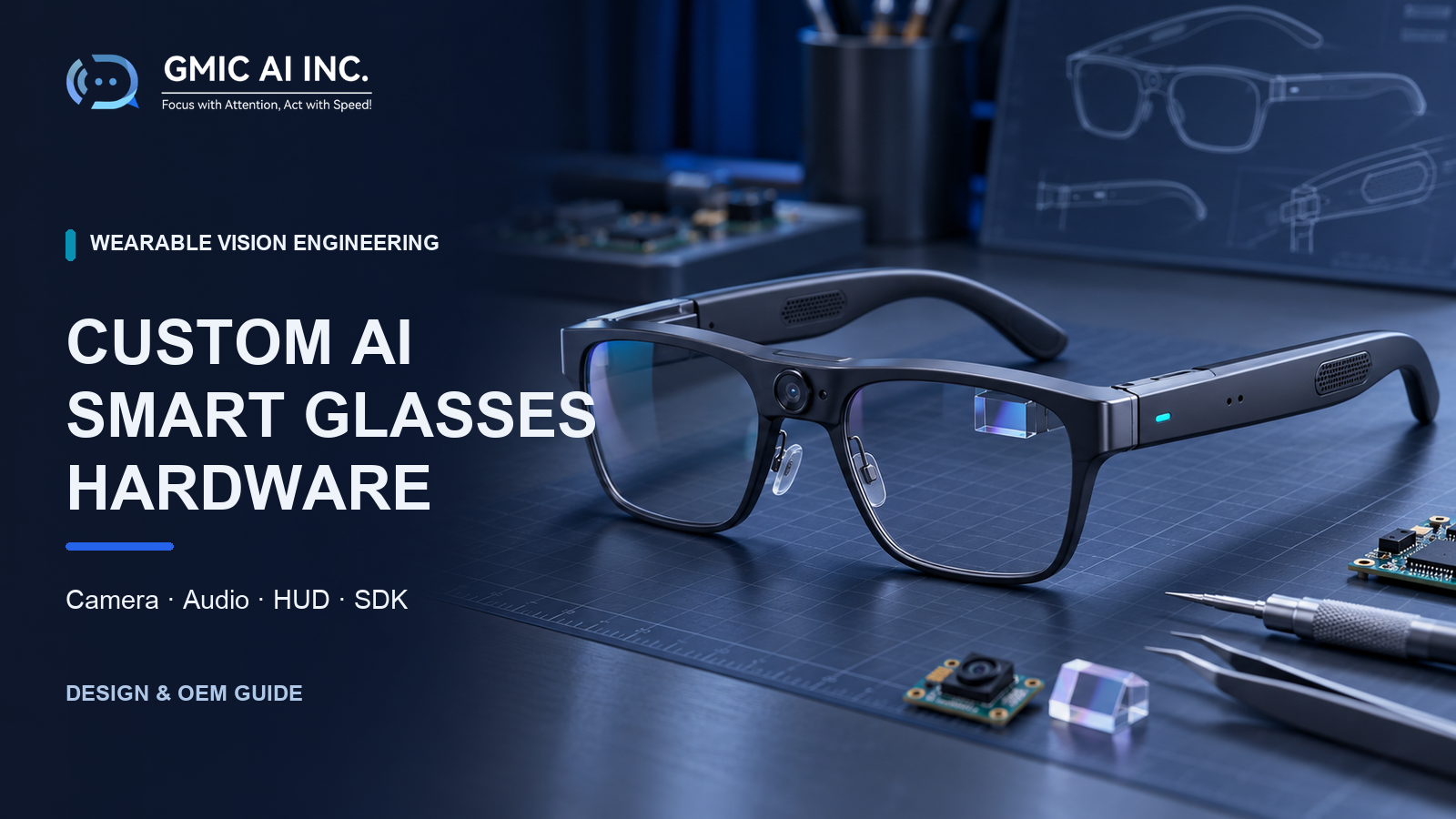
Custom AI Smart Glasses Hardware: Design and OEM Guide
Custom AI smart glasses hardware can give an application a first-person camera, voice input and hands-free audio without forcing every workflow into a phone screen. The difficult part is not adding every available feature. It is choosing which sensing, output and processing architecture can fit the intended frame, battery, thermal envelope, privacy model and…
-

Custom AI Voice Pendant Hardware: Design and OEM Guide
Custom AI voice pendant hardware places a microphone near the collarbone for hands-free notes, conversation capture and voice-agent workflows. It offers more battery and antenna volume than a ring, but its acoustic position changes as the pendant swings, rotates or touches clothing. In brief: Choose a pendant for low-friction, chest-level capture when users will…
-
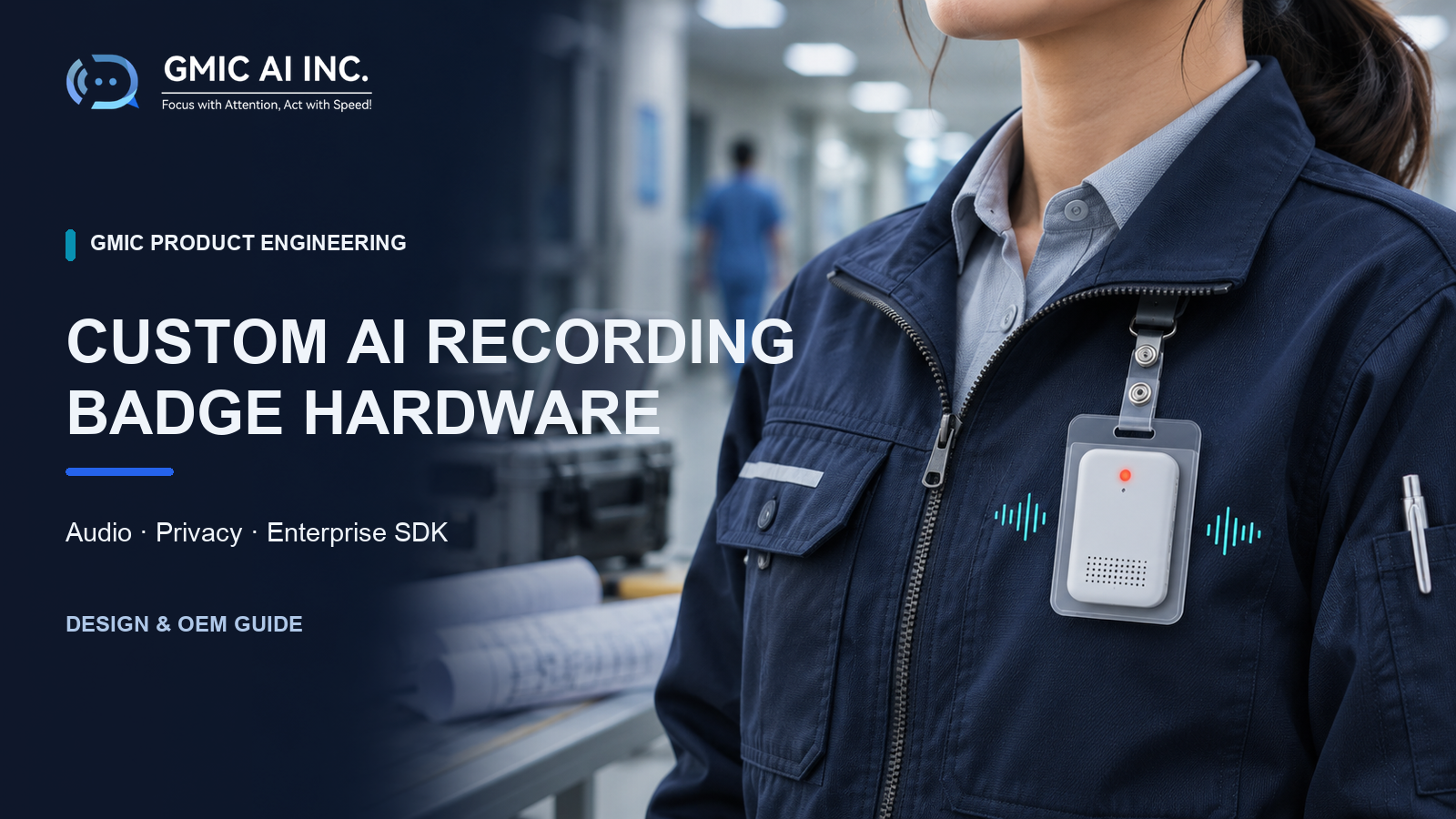
Custom AI Recording Badge Hardware: Design and OEM Guide
Custom AI recording badge hardware can capture meetings, field observations and hands-free voice notes from a stable chest-level position. Compared with a ring or wristband, a badge offers more enclosure volume and a more consistent microphone orientation, but it must manage clothing noise, body shadowing, visible recording feedback, attachment security and enterprise identity requirements.…
-
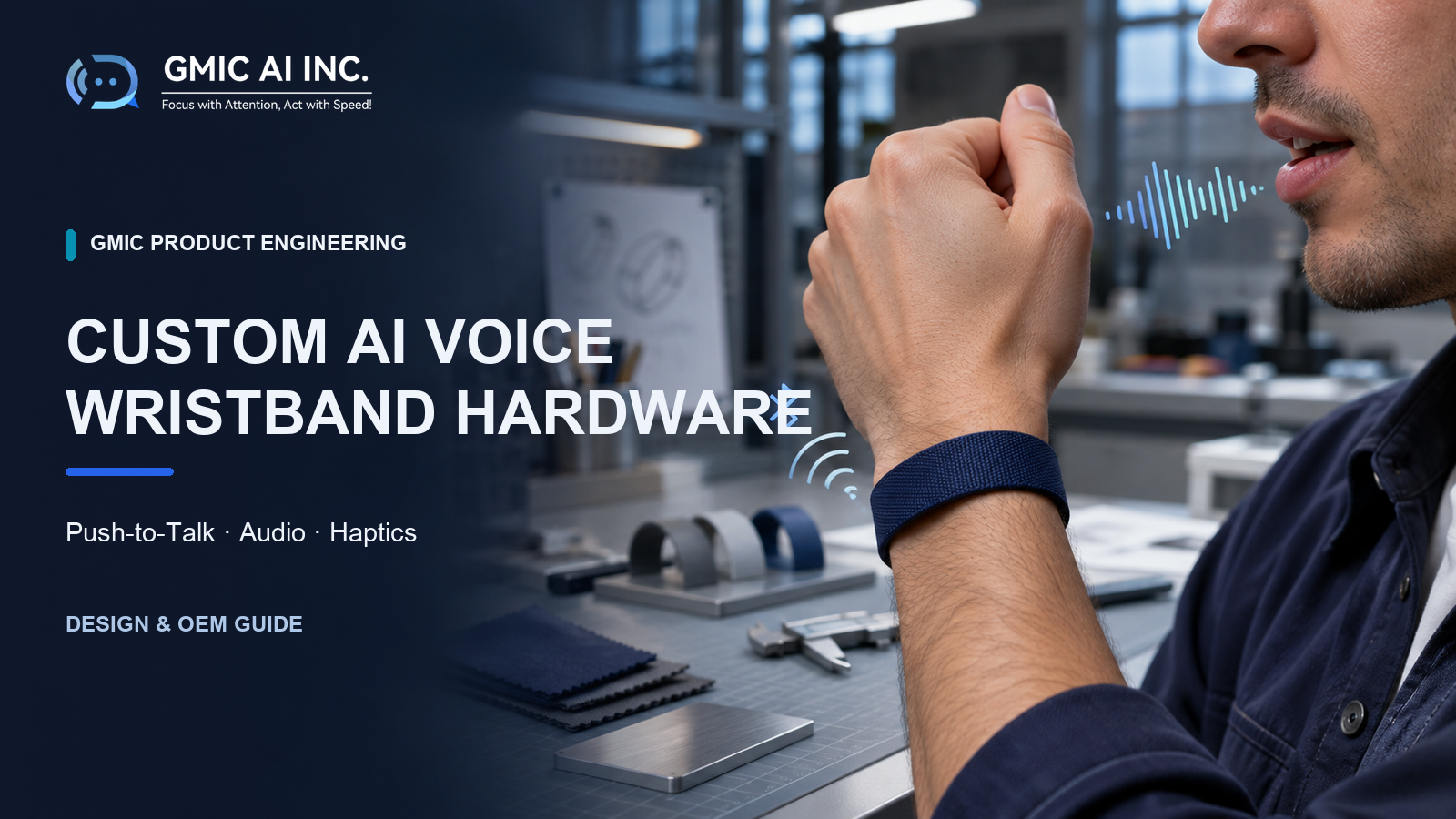
Custom AI Voice Wristband Hardware: Design and OEM Guide
Custom AI voice wristband hardware can give field workers, clinicians and mobile teams a fast way to capture a voice note or trigger an AI workflow without reaching for a phone. The wrist provides more room for a battery, controls and haptic feedback than a ring, but it also places the microphone farther from…
-
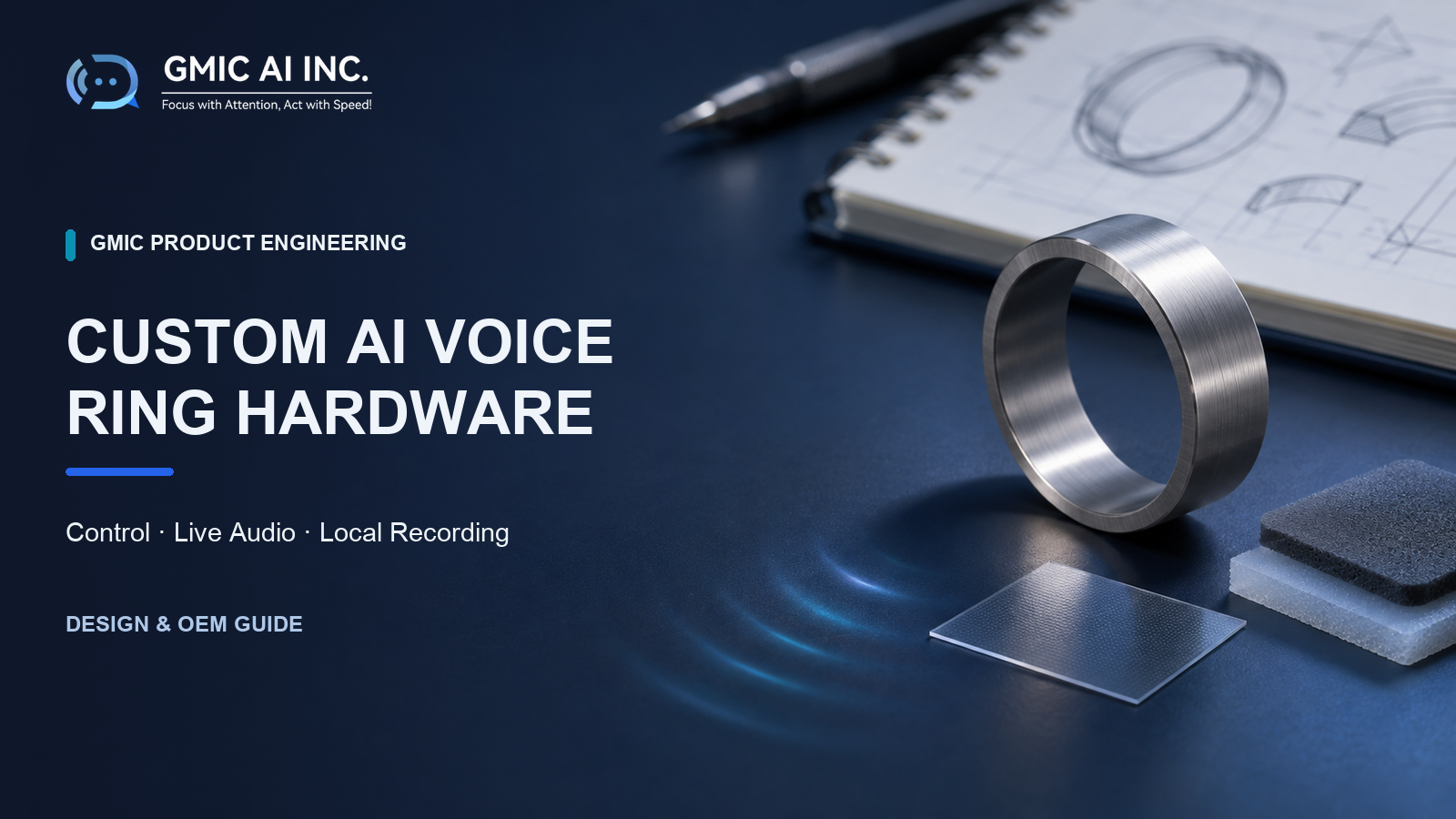
Custom AI Voice Ring Hardware: Design and OEM Guide
Custom AI voice ring hardware can provide a deliberate, screenless input for voice notes, AI assistants and push-to-talk workflows. The central product decision is whether the ring will only trigger another device, stream microphone audio to a phone, or record short audio locally. Each architecture creates different requirements for battery size, antenna performance, storage,…
-
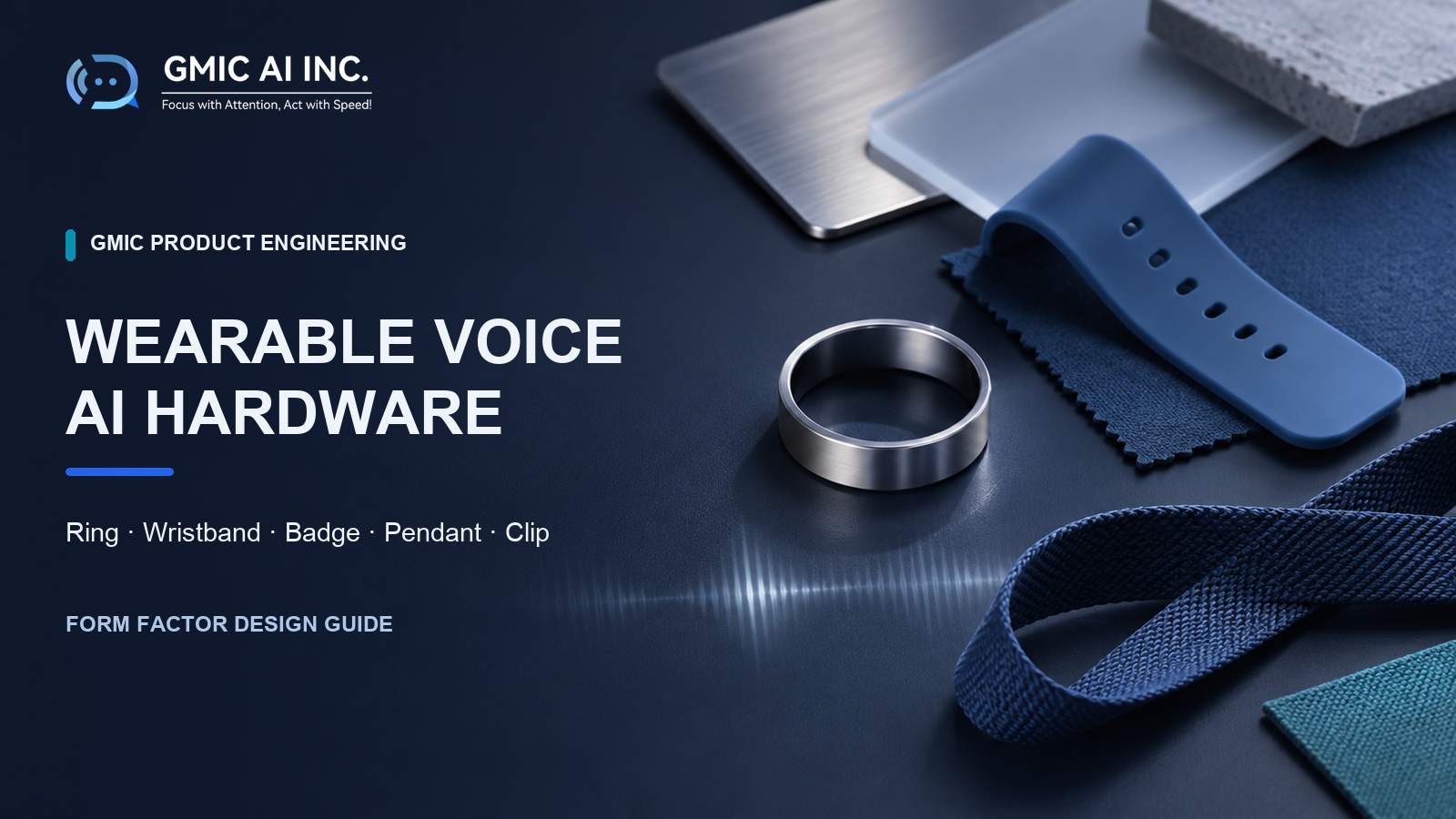
Wearable Voice AI Hardware: Ring, Wristband and Badge Design Guide
Wearable voice AI hardware turns speech into a low-friction input for notes, assistants, clinical documentation and field workflows. The right form factor is not simply the smallest enclosure. A ring, wristband, recording badge, pendant, clip and magnetic card place the microphone at different distances from the mouth, allow different battery sizes and create different…
-
Audio Interfaces for Healthcare Workers: USB, Wireless, and Offline Clinical Workflows
An audio interface for healthcare workers is the connection between clinical speech capture and the system that records, transcribes, or routes it. It may be a simple USB Audio connection, a dedicated wireless receiver, a companion phone, a dock, or an embedded network path. The best interface is not the one with the highest…
-

CE and FCC Certification Support from AI Hardware Manufacturers: What Buyers Should Verify
When an AI hardware manufacturer says it provides CE and FCC certification support, that statement can describe very different services. One supplier may only share an existing radio-module report. Another may review the product architecture, coordinate pre-compliance testing, prepare samples and technical documents, support debugging, and control production changes after approval. The brand owner…
-

OEM Beamforming Microphone Arrays: Design Inputs, Validation, and Production Handoff
An OEM beamforming microphone array is not a standard module that can be selected by microphone count and pickup distance alone. Its performance depends on the complete product: speaker locations, target talkers, array geometry, acoustic ports, enclosure surfaces, processor, reference signals, algorithms, interfaces, and production variation. For an OEM or ODM program, the central…
-

Microphone Array Development Kits: What to Prototype Before Custom Hardware
A microphone array development kit can prove that synchronized multi-channel capture, beamforming, direction finding, or acoustic echo cancellation is technically feasible. It cannot prove that the same performance will survive a smaller enclosure, different microphone spacing, production tolerances, fan noise, loudspeaker vibration, or a new processor. The best use of a development kit is…
-

Secure Medical Dictation Hardware: Offline Capture, Encryption, and Data Boundaries
Secure medical dictation hardware is not simply a recorder with an encryption label. It is a complete system for controlling how clinical audio is captured, buffered, stored, transferred, processed, logged, and deleted. A useful design starts with the data boundary: identify every component that can hold patient-related audio or metadata, decide which entities may…
-

HVAC Field Service Voice AI Hardware: Capture, Workflow & Device Design
HVAC field service voice AI hardware gives technicians a dedicated way to capture observations, measurements, parts, and next steps while they inspect or repair equipment. The value is not simply recording audio. A useful system must work around fans, compressors, wind, gloves, weak connectivity, ladders, and the technician’s existing service workflow. Last reviewed: October…
-

Meeting Room Voice AI Hardware: Microphones, Coverage & Integration
Meeting room voice AI hardware is the physical capture layer between a live conversation and a transcription, summary, search, or workflow platform. Its job is not merely to record sound. It must capture multiple speakers at changing distances, handle loudspeakers and room reflections, expose a clear recording state, and deliver reliable audio to the…
-
AI Hardware Certification Guide: FCC, CE, UKCA & RoHS
AI hardware certification is not one universal test or certificate. The required path depends on the target market, radio functions, power architecture, product category, intended use, accessories, and the legal role of each company placing the product on the market. Last reviewed: October 2026Technical review: GMIC Engineering Team For an AI voice device, wearable…
-
Offline Voice AI Hardware: Recording, Storage & Integration
Offline voice AI hardware can keep recording when a network is unavailable, but “offline” does not always mean that speech recognition or AI inference happens on the device. Product teams must define which parts of the workflow operate locally: audio capture, storage, preprocessing, transcription, inference, or all of them. Last reviewed: October 2026Technical review:…
-
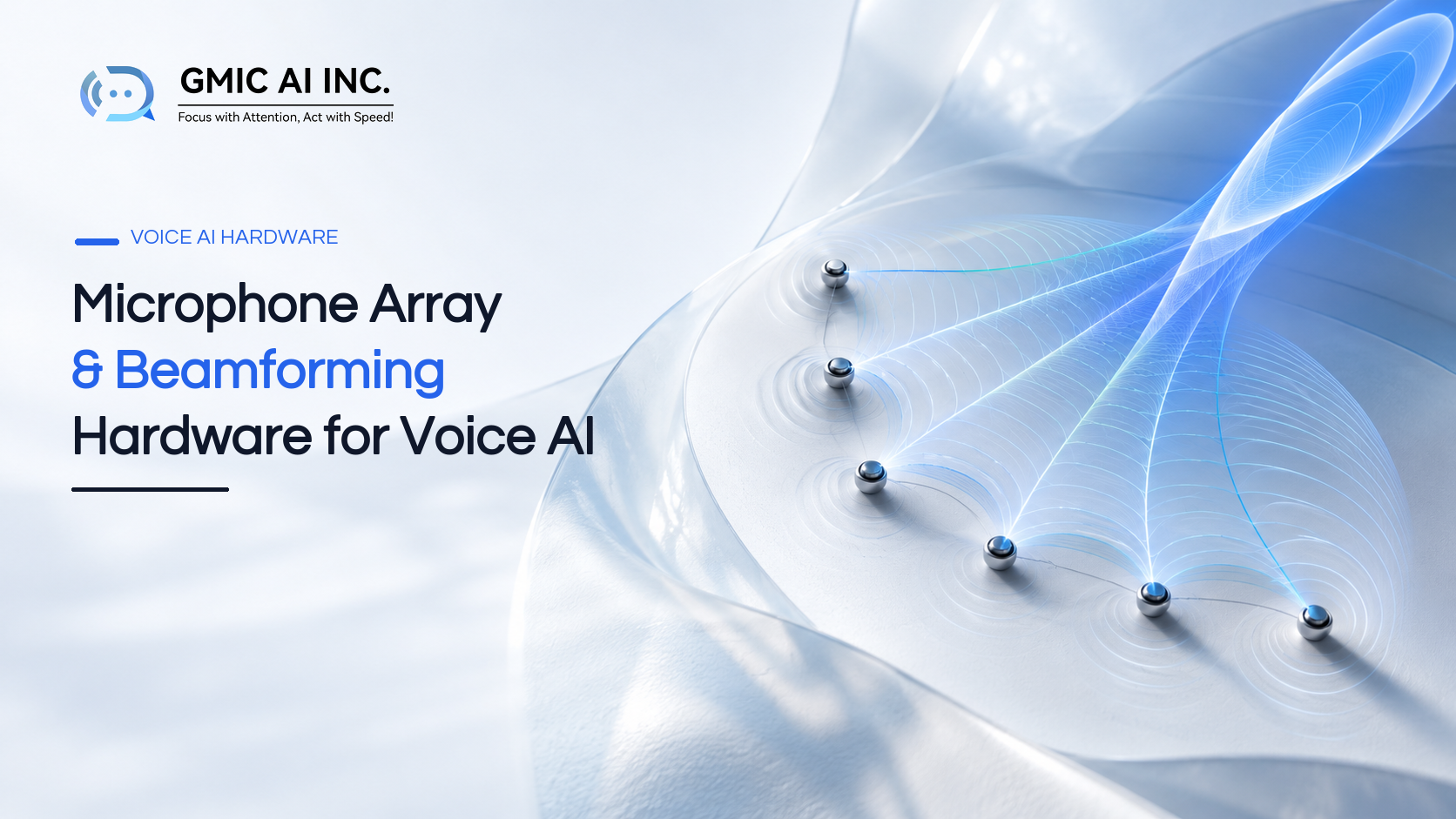
Microphone Array & Beamforming Hardware for Voice AI
Microphone array and beamforming hardware helps voice AI devices capture clearer speech when the user is not speaking directly into a single close-range microphone. The design combines multiple microphones, physical geometry, synchronized audio capture, digital signal processing, firmware, and acoustic testing. The result depends on the complete signal path. Adding more microphones does not…
-
Voice AI Hardware Project Planning: NRE, MOQ & Validation
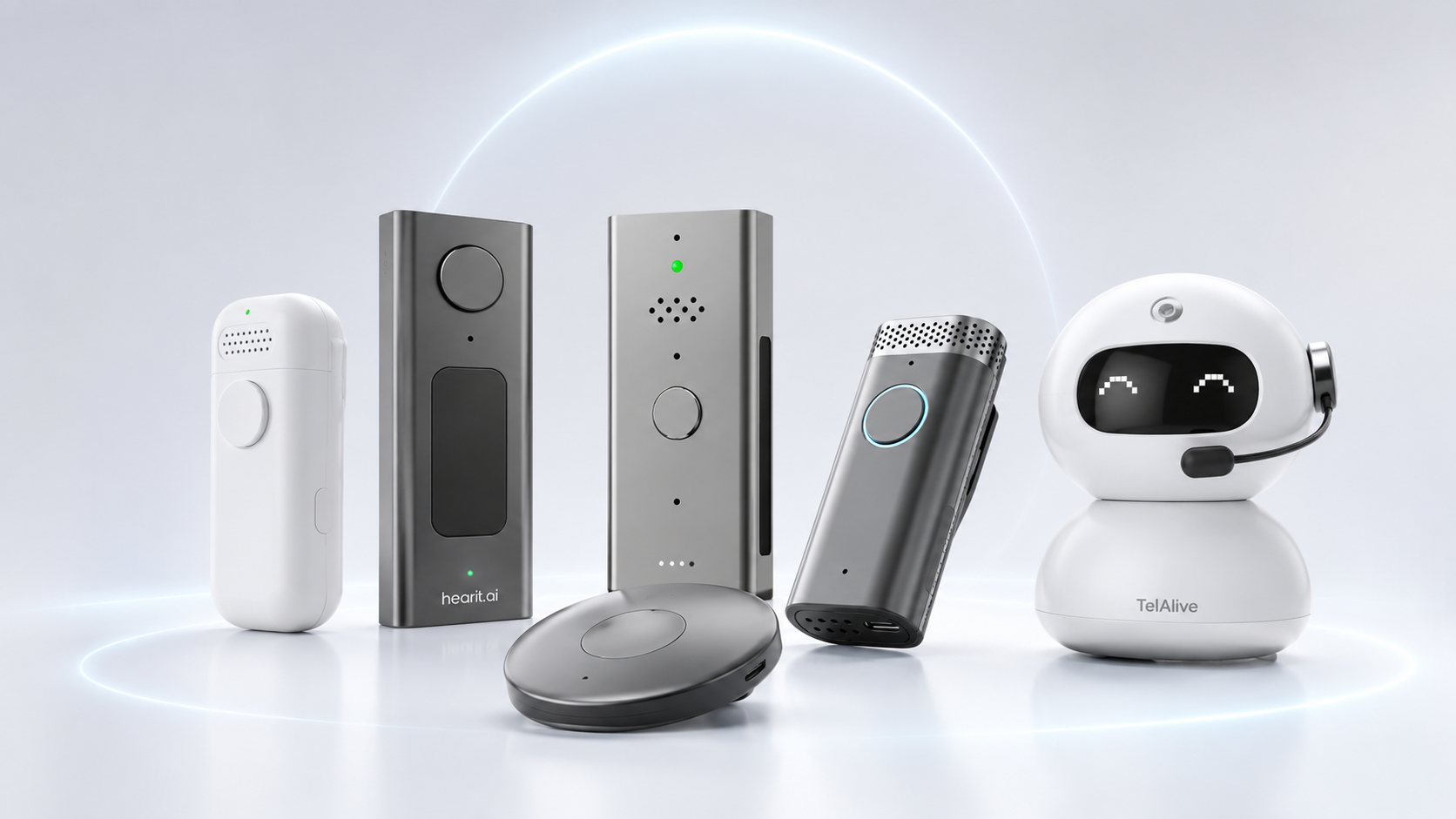
Voice AI hardware project planning requires more than selecting a microphone and connecting it to an application. Hardware architecture, firmware, acoustics, mechanical design, certification, sourcing, testing, and manufacturing all affect the project scope. This guide explains how custom voice AI hardware projects are typically evaluated, what non-recurring engineering (NRE) and tooling may cover, how…
-
Voice Capture Battery Life vs Weight: Data From 8 Devices
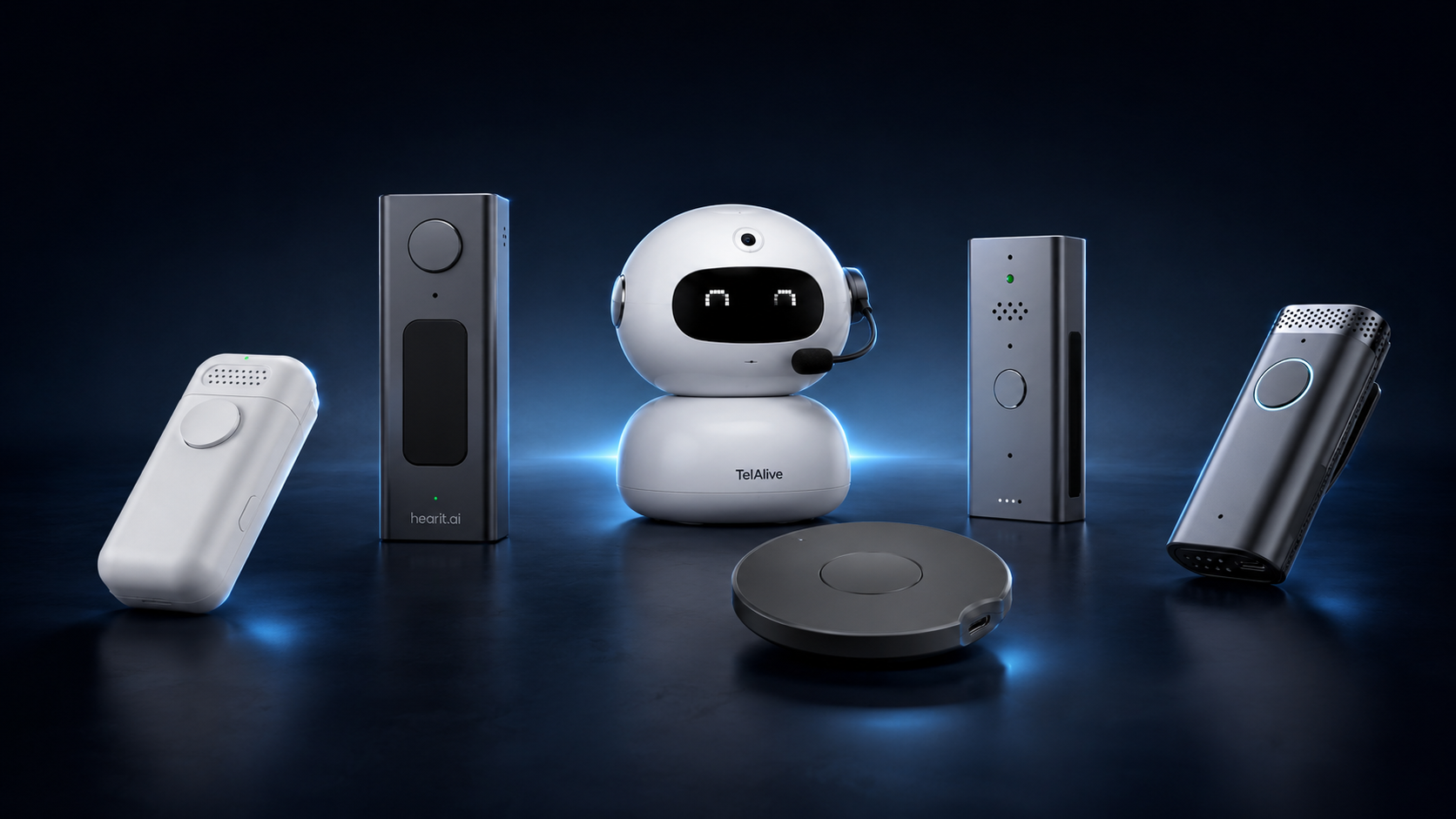
Voice capture battery life measured across eight shipping devices, and why Wi-Fi streaming costs six times the power of a Bluetooth-only design.
-
Custom AI Voice Hardware for Enterprise Meetings: From Prototype to Production
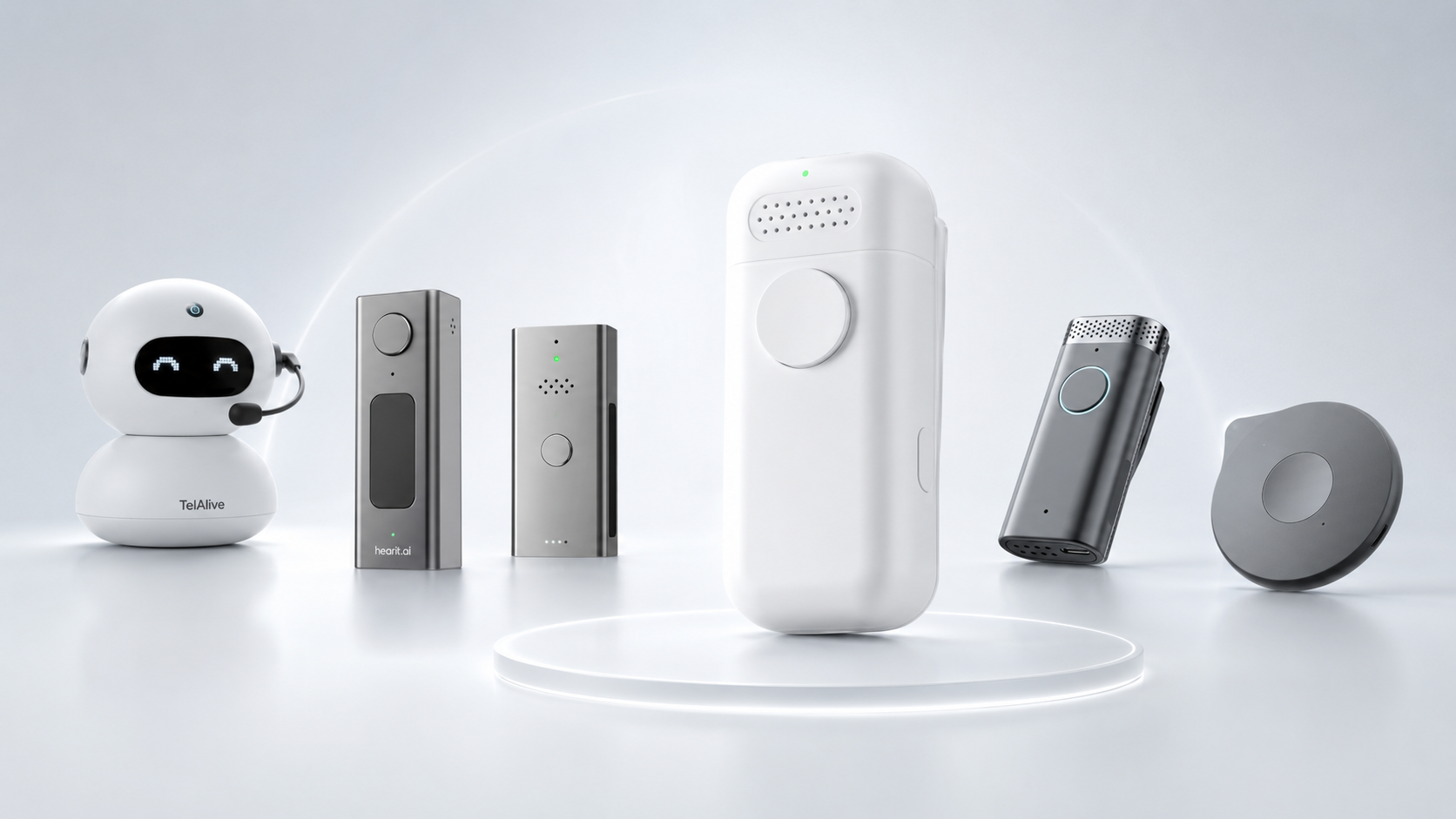
Enterprise AI software is becoming increasingly capable of transcribing conversations, separating speakers, generating summaries, identifying action items, and turning spoken information into structured business data. However, the quality of these AI outputs still depends on one essential input: reliable audio. Smartphones and laptops can support initial testing, but they are not always designed for…
-

When Every Device Has a Microphone, Who Decides What Gets Executed?
When every device in a room can hear, the scarce resource is no longer hearing — it is adjudication. The next infrastructure layer for smart spaces is not another smart speaker. It is a Voice Control Plane: many ears, one judge, many executors. For efficiency-obsessed households this is a huge help, and a huge…
-
Custom AI Wearable ODM: The B2B Hardware Builder’s Guide
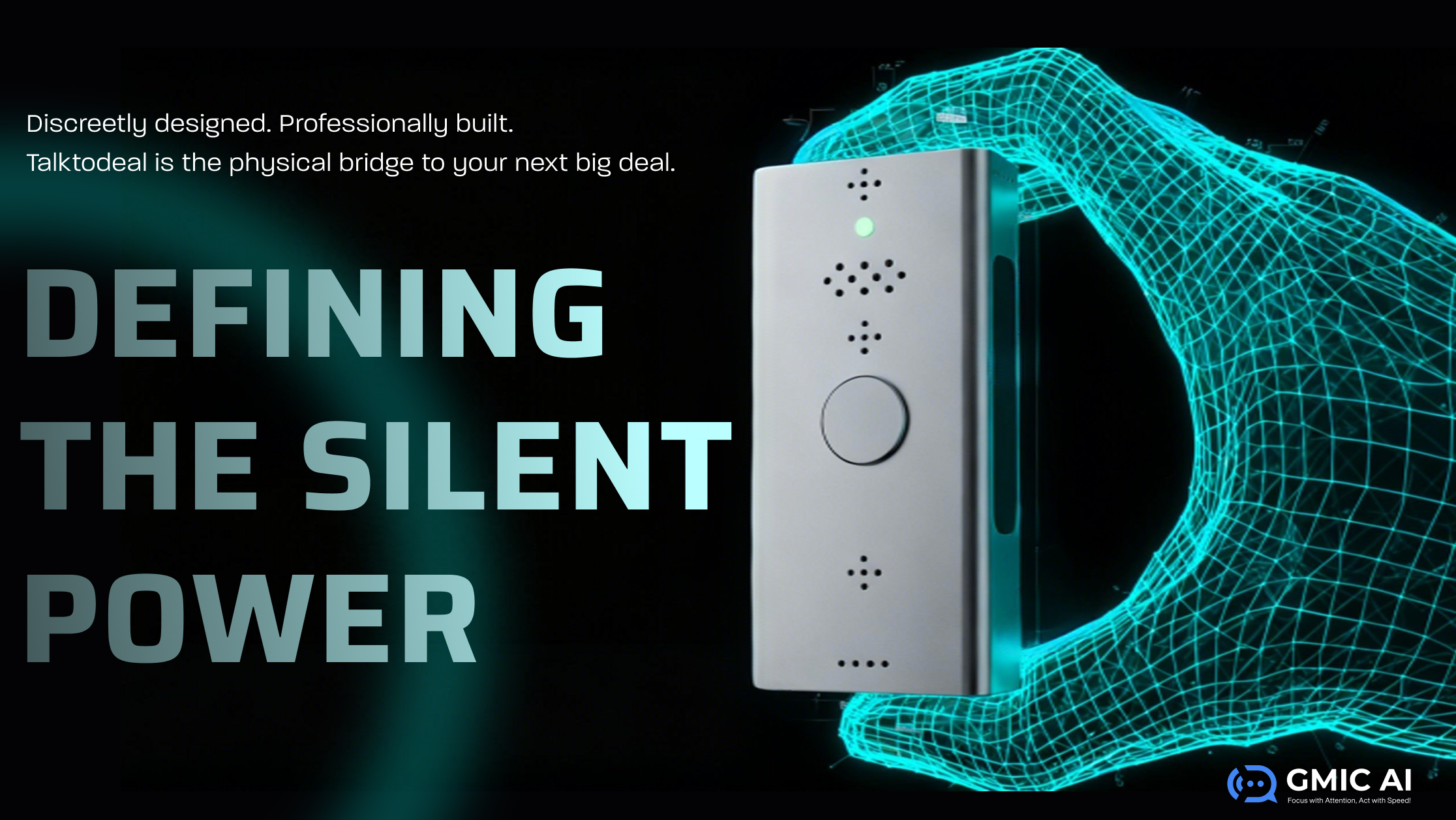
Introduction: Why Most AI Wearable Projects Fail at Hardware, Not Software The AI wearable market has reached a genuine inflection point. Plaud, Bee, Ray-Ban Meta, and a wave of clinical AI scribe companies have demonstrated that people will wear AI hardware — and pay for it. Investment is flowing, use cases are real, and…
-
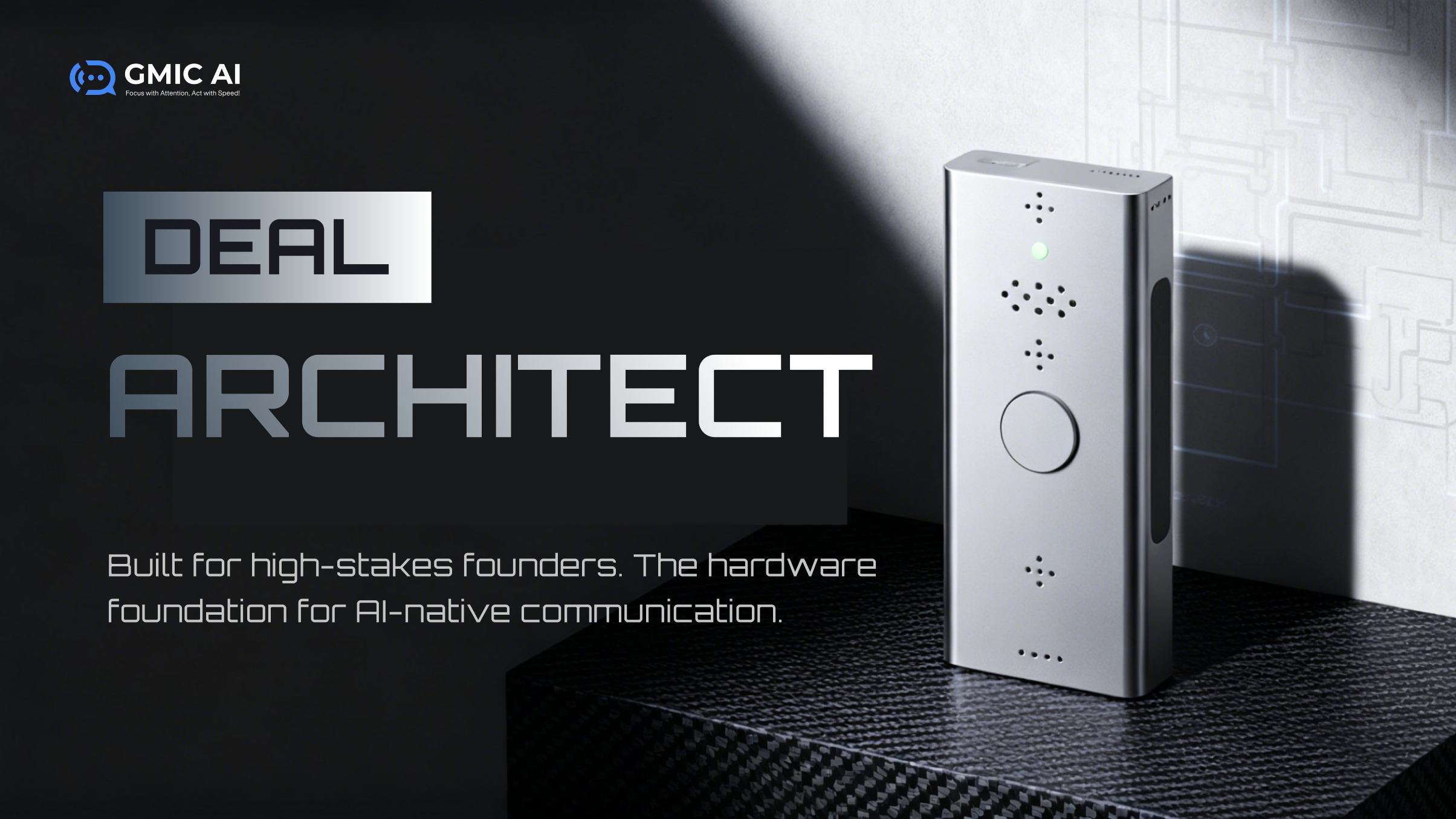
AI Voice Capture Device Manufacturer USA: What Actually Matters (2026)
The short answer (before you scroll) If you’re searching for an AI voice capture device manufacturer in the USA, what you’re really looking for isn’t just a manufacturer — it’s a partner that can deliver: 👉 In practice, this narrows the field down to a few companies like GMIC.AI, PLAUD.AI, and select enterprise hardware…
-
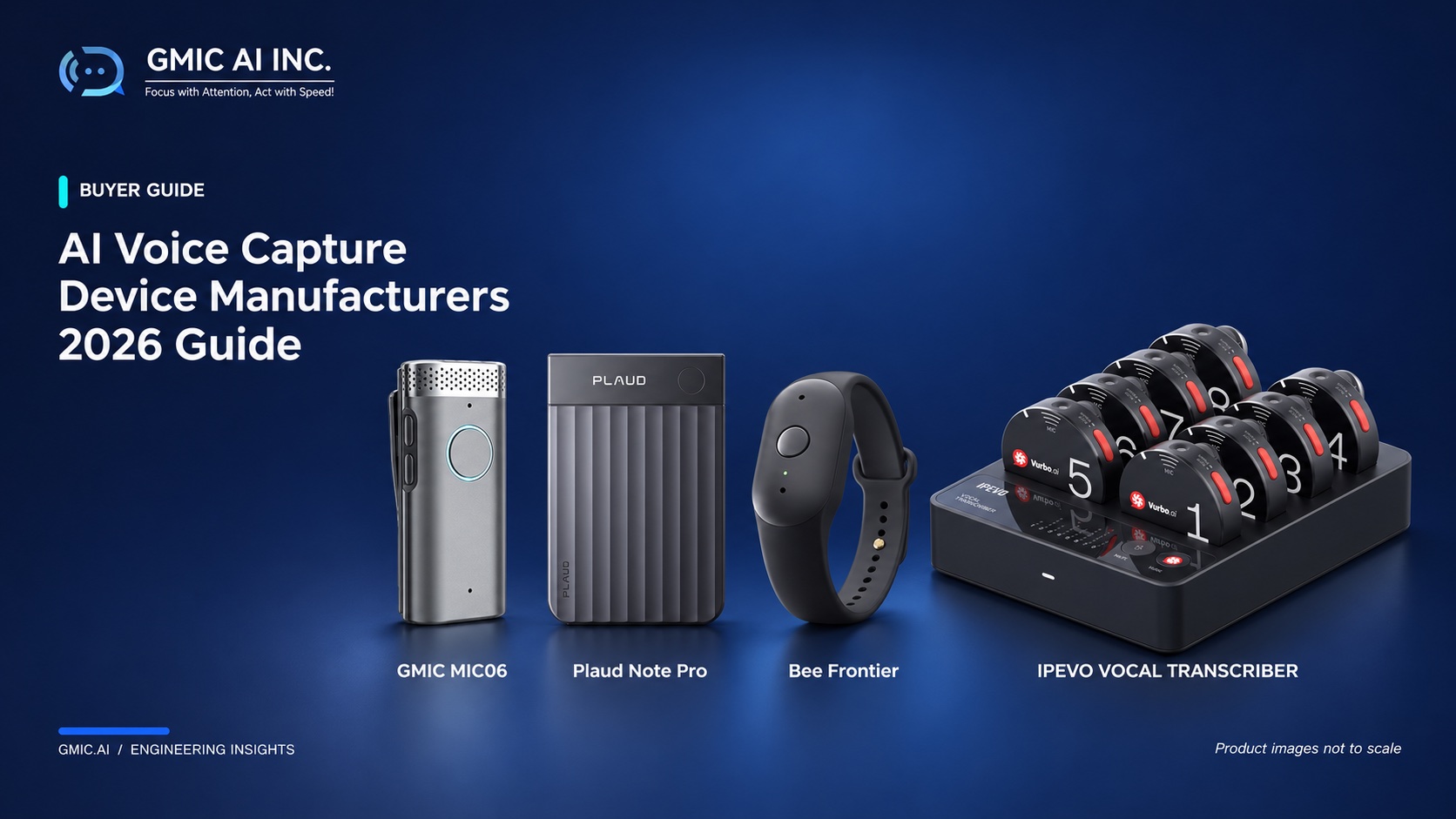
Best AI Voice Capture Device Manufacturers (2026 Guide)
By GMIC.AI · Updated November 5, 2026 · B2B buyer guide Choosing an AI voice capture device manufacturer starts with one decision: do you need a ready-to-use recorder, or a partner to build hardware for your own product? A packaged device and an OEM/ODM platform solve different problems. This guide compares both routes and…
-

The Real AI Race Isn’t Another Paper
The Google paper controversy misses the bigger shift in AI: business value comes from turning voice into reasoning and execution, not papers alone.
-

MIC06V2 and Low-Friction AI for Business
MIC06V2 wasn’t born from AI hype. It came from a failed voice workflow that taught us a harder lesson: small businesses don’t need more dashboards. They need a low-friction way to capture conversations, turn them into structured records, and make sure the next action actually happens.
-

AI Audio Front-End: MIC06V2 Explained
AI audio front-end technology helps AI capture real-world conversations. See how MIC06V2 turns speech into usable workflows and insights.
-
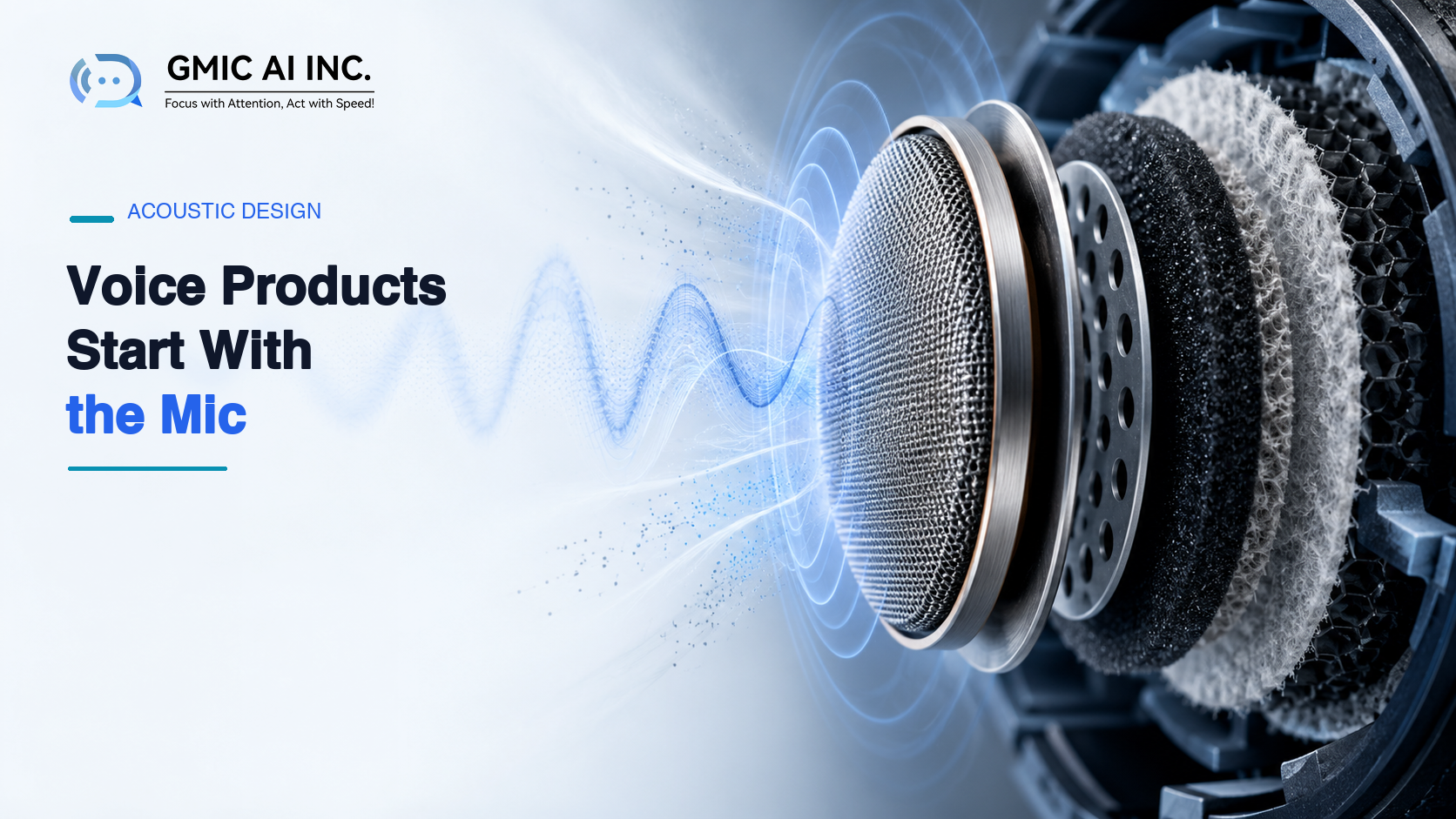
Wearable Voice Device Business Starts With a Mic
Why microphones are becoming a primary AI interface—and why selective edge audio processing matters before sending anything upstream.
-
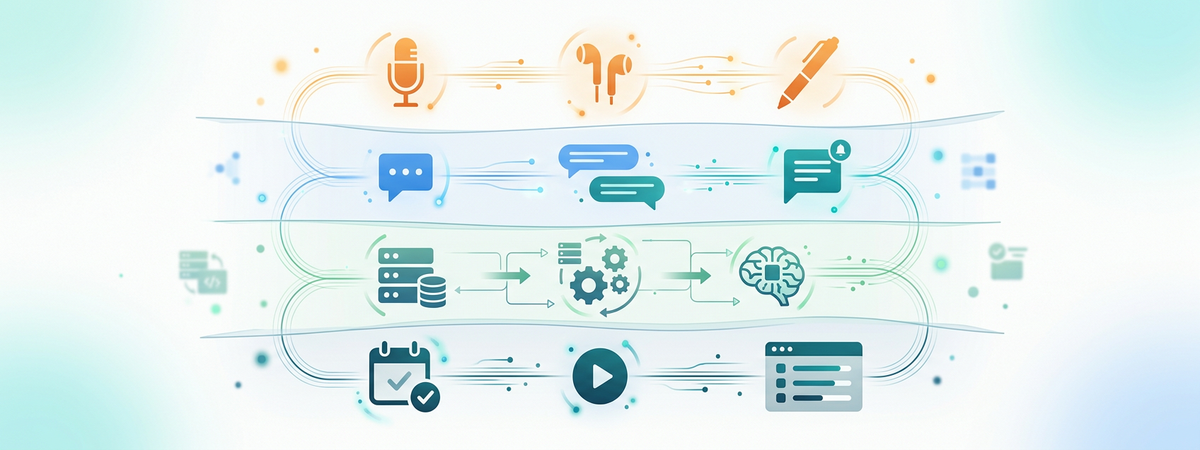
AI Recording Devices and Reality Memory Infrastructure
This article argues that AI recording devices are becoming a major infrastructure layer not because recording hardware is novel, but because continuous audio can provide the real-world context AI has been missing. It also explains why privacy, IM integration, memory systems, and trustworthy execution matter more than hardware miniaturization alone.
-
Wearable Voice Device Business: The Next AI Wave
Wearable AI recording devices are turning everyday conversations into searchable, structured knowledge. Powered by advances in speech recognition, low-power hardware, and large language models, they are becoming a critical infrastructure layer for ambient intelligence.
-

The New Wave of AI Hardware: Why Software Teams Need ODM Partners
AI is leaving the screen. More and more AI products are becoming physical devices. For AI startups, the fastest path from software idea to hardware product is the right ODM partner. Here’s why.
-
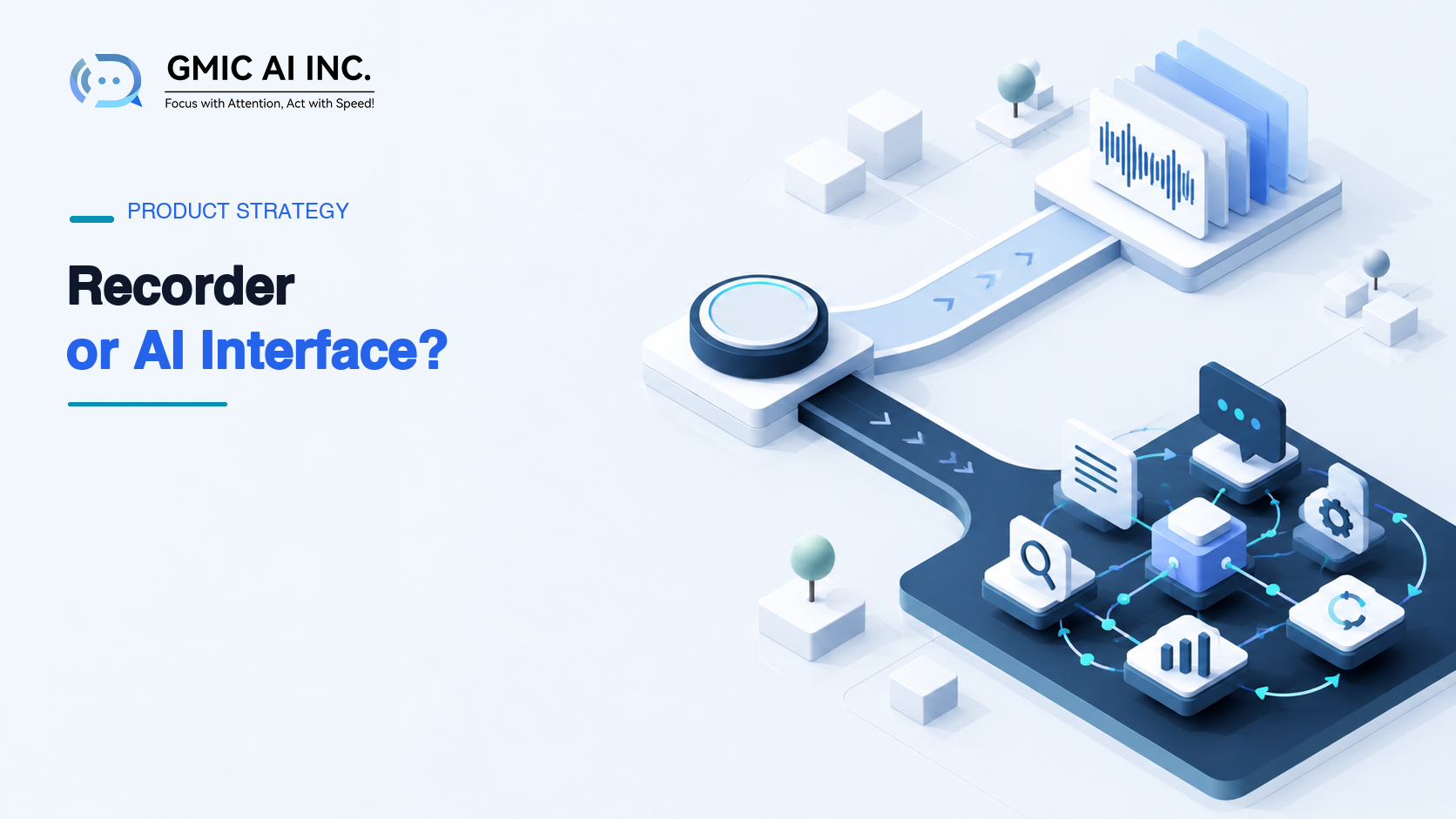
Wearable Voice Device Business: Recorder or Interface?
A wearable AI mic only matters when a real conversation turns into a callback, a task, or a follow-up your team can actually use. Here’s where shops get it wrong — and what fixed it.
-

India’s Surge in Google AI for Education
Estimated reading time: 8–10 minutes Key takeaways Table of contents India is becoming a major market for Google’s AI in education, leading global usage of Gemini for learning purposes—and what it signals for wearable AI microphones A student in Delhi sits at a small desk late at night. The room is quiet except for…
-

Impact of Tesla’s Optimus on Wearable AI in Healthcare
Estimated reading time: 9–11 minutes Key takeaways Table of contents Elon Musk, Optimus, and the real healthcare “robot” already working today Picture a normal morning in a busy hospital. A doctor walks fast from room to room. A nurse is juggling vitals, meds, and questions from families. Everyone is doing real work—yet the laptop…
-

Exploring Apple’s Wearable AI Pin for Healthcare
Estimated reading time: 8–10 minutes Key takeaways Table of contents A voice-first morning: why this matters now You’re walking into work with your hands full. A coffee in one hand. A laptop bag in the other. Your phone is buzzing. You’re already behind on notes, messages, and tasks—and you haven’t even sat down yet.…
-

How DJI’s Mic Mini Enhances Audio for Healthcare Teams
Estimated reading time: 9–11 minutes Key takeaways Table of contents It’s 7:42 a.m. and the day is already loud A nurse calls out a room number. A patient asks a question. A clinician tries to capture a key detail—meds, symptoms, timing—while walking to the next exam room. The phone notes app is open, but…
-

How Is AI Hardware Entering Its Next Real-World Phase?
For years, artificial intelligence has evolved primarily through software. Models became larger, faster, and more capable — yet the way humans interacted with AI barely changed. Today, that gap is closing. AI is no longer confined to screens and keyboards. It is becoming physical, ambient, and embedded into everyday workflows — and hardware is…
-

2026 Outlook: Why “Intelligence + Hardware” Will Finally Converge
Industry insights on the shift from abstract AI to practical, device-based intelligence — and the quiet role companies like GMIC play behind the scenes. For years, the conversation around AI centered on models, benchmarks, and breakthroughs in software. But the real turning point — the moment when intelligent systems become woven into everyday workflows…
-

Why Are AI Wearables Becoming the Next Big Interface for Daily Intelligence?
What Are AI Wearables? AI wearables are smart, sensor-rich devices—like badges, mics, earbuds, or glasses—that continuously listen, learn, and respond. They transform daily routines by bringing AI out of screens and into the physical world. Instead of typing a command, you simply speak. Instead of checking a screen, you get instant contextual feedback. How…
-

How Is AI Voice Hardware Shaping the Future of Human–Machine Interaction?
What Is AI Voice Hardware and Why Does It Matter? AI voice hardware refers to physical devices—microphones, wearable recorders, telephony gateways, and embedded modules—designed to capture, process, and transmit human speech intelligently. Unlike traditional mics, these systems integrate on-device AI, enabling real-time voice enhancement, wake-word detection, and low-latency data transmission. Voice is the most…
-

The Benefits of AI Wearable Devices: How Intelligent Hardware Enhances Daily Life and Work
Artificial Intelligence is no longer confined to software or data centers — it’s now living on our wrists, clipped to our collars, or built into the tools we use every day. AI wearable devices are bringing intelligence closer to the human body, transforming how we monitor health, communicate, and interact with the world. From…
-
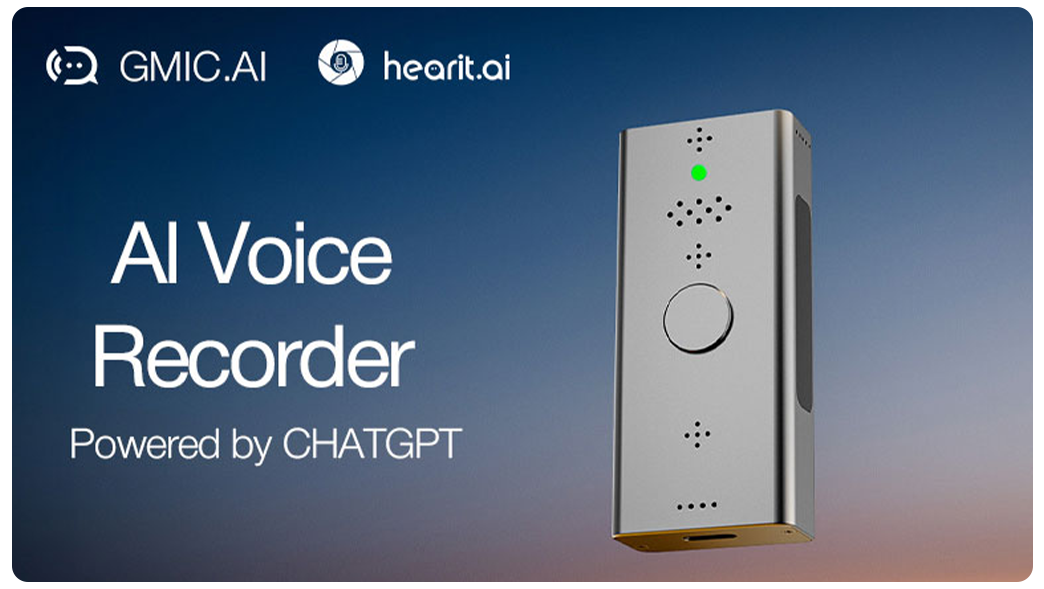
Maximize Microsoft Teams Efficiency with MIC05 AI Noise Reduction Recorder
Unlocking the Full Potential of Microsoft Teams with MIC05 As a enterprise productivity consultant focusing on meeting efficiency and compliance, I have been closely monitoring Microsoft’s recent announcement. Microsoft recently launched Microsoft Teams, aiming to solve a significant operational challenge in workplace communication and collaboration. This strategic move has resonated across the technology industry,…
-
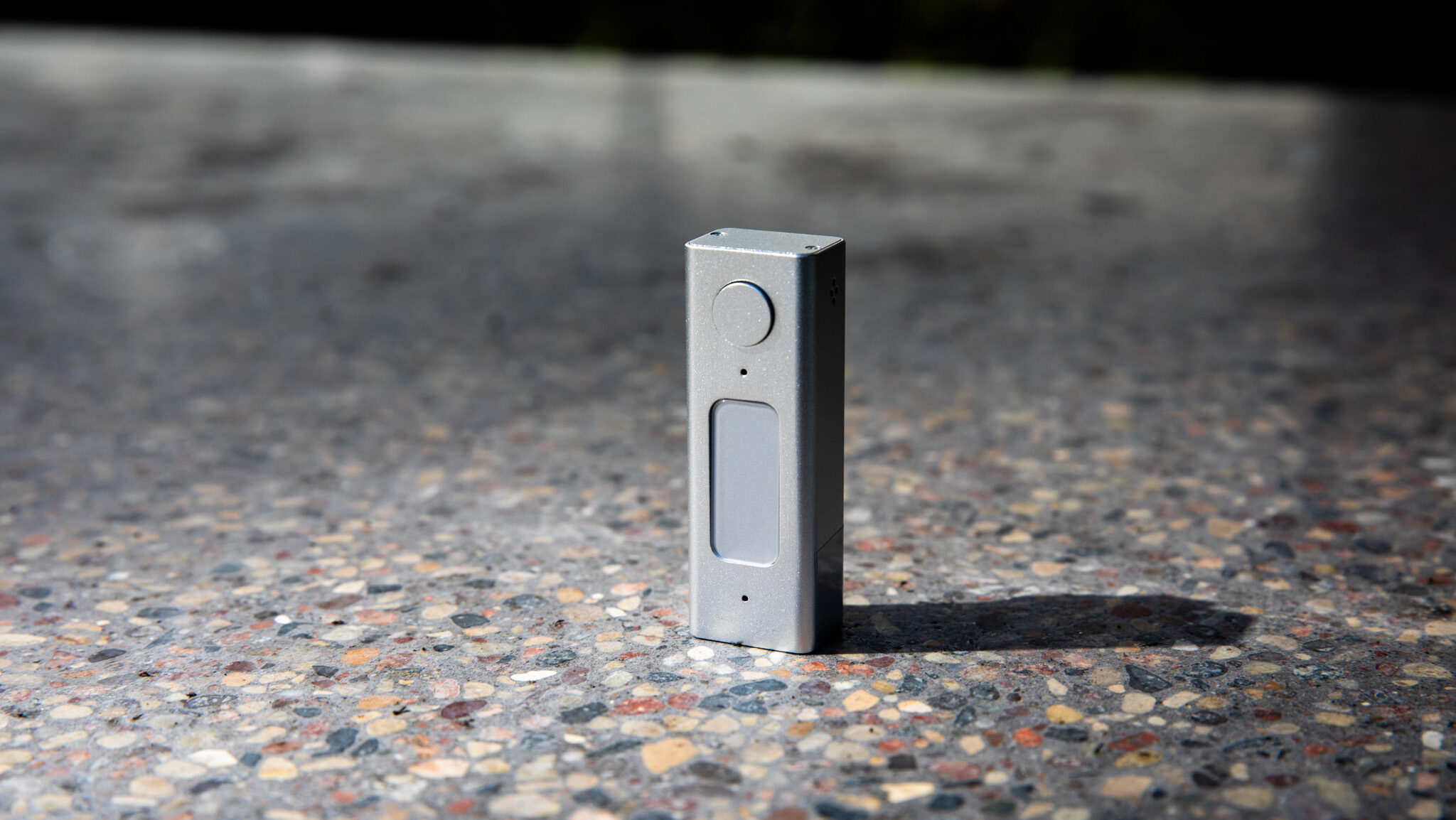
Boost On-The-Go Productivity: Mic05 AI Meeting Recorder, Your Essential Tool
Introduction As mobile productivity advisors with vast experience in wearable tech, we understand the challenges faced by writers, journalists, and students in capturing fleeting ideas while commuting or travelling. We’ve tackled this issue with Mic05, an AI meeting recorder that streamlines this process with features such as hands-free voice capture, noise cancellation, real-time transcription…
-

Seamless Cross-Platform Integration: Let Your Tools Work for You
What’s the most frustrating part of modern productivity? It’s not the tools themselves—it’s how they don’t talk to each other. You take notes in one app, schedule meetings in another, manage projects in a third, and somehow, none of it feels connected. The result? Wasted time, lost focus, and endless app-switching. Hearit.ai, powered by…
-

Seamless AI for Everyday Life: Your New Best Friend That Talks Back
Let’s be real: life is busy, and we’ve all wished for an invisible assistant at some point—one that doesn’t need coffee breaks or complain about your messy schedule. Enter MIC01, powered by Hearit.ai, your tiny, AI-powered buddy that’s always there, ready to help. With continuous AI interaction that feels less like yelling at a…
-

Avoiding Phone Use for AI Scribe — Hardware Options for Doctors
Most AI scribe solutions today run on mobile apps or laptops. While this works for early adopters, many doctors and hospitals quickly realize that relying on a phone for medical dictation is not practical, not secure, and not hands-free. That’s why the future of clinical documentation is moving toward dedicated AI hardware—specialized devices built…
-

Medical Dictation Wearable Device with AI Transcription: The Future of AI Hardware in Healthcare
In recent months, the tech world has been buzzing with news that Apple is preparing to launch its own AI hardware devices. This confirms a trend we’ve already seen in healthcare: the shift toward dedicated AI hardware that combines software intelligence with purpose-built devices. One of the clearest examples of this transformation is the…
-
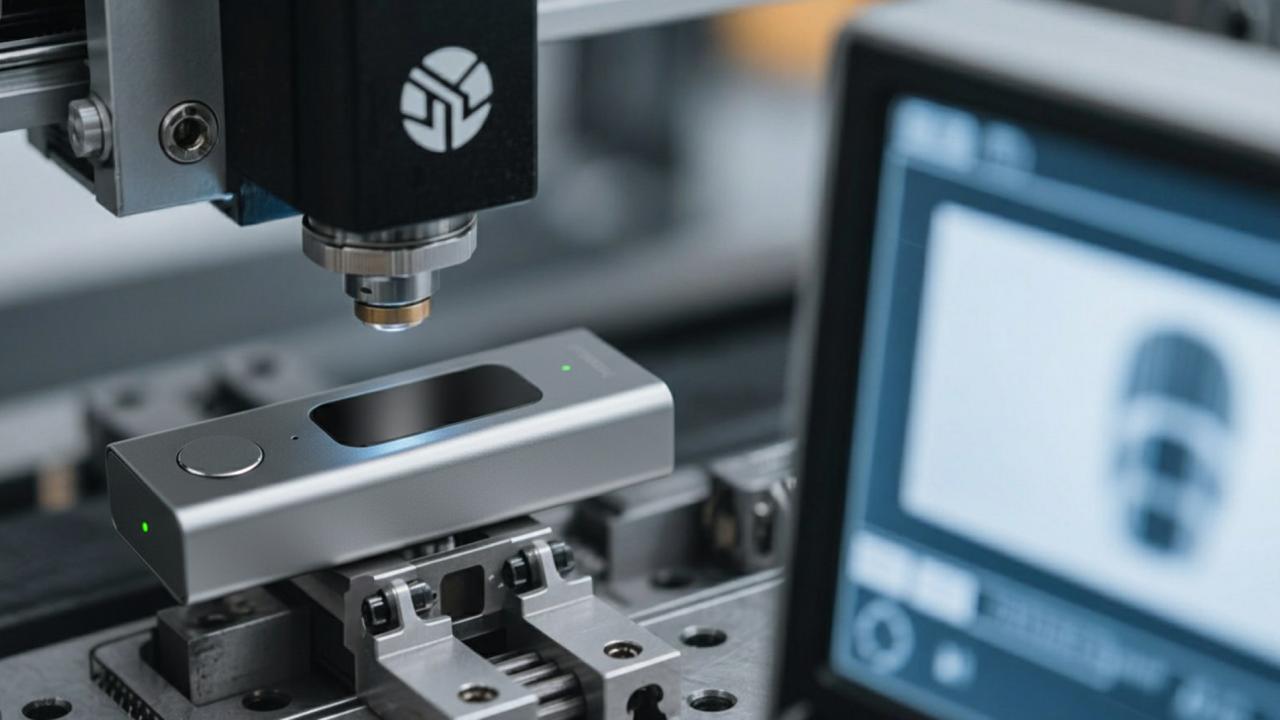
Why AI Scribe Hardware Beats Phones for Medical Transcription
In healthcare, time and attention are two of the most valuable resources. Clinicians need to capture accurate patient notes while maintaining focus on the patient in front of them. Many AI medical transcription solutions today rely on smartphones for audio capture — but in clinical settings, this approach often introduces inefficiencies, security concerns, and…
-

ai-scribe-hardware
wearable-ai-medical-scribe-hardware-for-hospitalsvoice-enabled-ai-scribe-hardware-for-doctorsmedical-dictation-wearable-ai-transcriptionavoiding-phone-use-hardware-optionshands-free-ai-scribe-for-surgeonsal-scribe-hardware-for-noisy-clinic-environmentsai-medical-scribe-hardware(link to the Definitive Guide below)
-
Bizmic – Capture Every Word. Close Every Deal.
Powerful Features for Sales Professionals Our AI-powered platform offers everything you need to enhance your sales conversations and close more deals. Live Chat Transcript Automatically capture and transcribe your sales conversations in real-time with high accuracy. Real-time Translation Break language barriers with instant translation in over 100 languages during your conversations. Meeting Summaries Get…