AI voice reception is trending, but SMB owners need more than answering. They need memory infrastructure that captures every conversation.

AI receptionists are trending, but SMB owners need more than answered calls. They need memory infrastructure that gives evenings back and keeps context intact.

AI receptionists cut front-desk cost fast. The bigger shift is turning every customer conversation into searchable business memory.

AI voice reception is growing fast. But SMBs don’t just need answered calls—they need memory infrastructure that gives evenings back.

A receptionist costs far more than payroll. Here’s the real math versus an AI phone agent — and why the bigger upgrade is business memory.

A receptionist costs $35K-$45K a year. An AI agent costs about $200 a month. But the bigger upgrade is searchable business memory.

AI receptionists are getting cheaper fast. The bigger shift is building business memory that captures every conversation and turns it into revenue.

AI receptionists are improving fast. But the real shift is bigger: turning every business conversation into structured memory that drives revenue.

AI receptionists are getting cheaper fast. The bigger shift is cost plus memory: what a human front desk really costs, and what captured conversations are worth.

AI receptionists are rising fast. But SMB owners don’t need another tool. They need business memory that captures every conversation and gives time back.

A receptionist costs $35,000-$45,000 a year. An AI agent costs about $200 a month. The bigger advantage isn’t labor savings. It’s memory.

AI receptionists are getting cheaper. The bigger shift is that every call can become business memory, not just answered labor.

AI receptionists are getting cheaper. The bigger shift is turning every business conversation into memory, follow-up, and revenue.

A full-time receptionist can cost $35K-$45K a year. An AI phone agent costs about $200 a month. Here’s the math, and what most businesses miss.

AI receptionists are rising fast. But the real win for SMBs is deeper: capturing every conversation so owners can finally reclaim evenings and weekends.

AI receptionists cut labor costs fast. But the bigger gain is capturing every conversation and turning it into structured revenue-generating memory.

AI receptionists are trending, but the bigger shift is Enterprise Memory: capturing every conversation and turning it into structured revenue.

AI receptionists are becoming standard. The next advantage is Enterprise Memory: capturing every conversation and turning it into revenue.

AI voice receptionists are becoming common. The real shift is turning every business conversation into structured memory that drives revenue.

A receptionist costs $35K-$45K a year. An AI phone agent costs about $200 a month. Here’s the practical math, and why memory matters more.

vcita’s AI receptionist launch signals a bigger shift: SMBs don’t need more AI tools. They need memory infrastructure that captures every conversation.

AI receptionists answer calls. Enterprise Memory captures every dental conversation and turns it into follow-ups, patient profiles, and revenue.

After-hours service failures usually aren’t about missed rings. They’re about incomplete commitments that turn into next-morning backlog, no-shows, and disputes. This piece breaks down how AI receptionists like Telalive can capture auditable after-hours intake when labor is thin.

An AI receptionist isn’t “just software”—it’s delegated authority that can commit time, money, and promises. Here’s a practical HR-style governance system (agreement, authority matrix, coverage plan, KPIs, and incident response) using Telalive as your system of record—and MIC05 to extend the same standards to walk-ins.

SMBs aren’t buying “an AI receptionist” anymore—they’re buying a managed virtual receptionist service with SLAs, escalation ownership, and a weekly QA/governance cadence. Here’s what “managed” really includes, and how Telalive + MIC05 make outcomes auditable across phone and in-person conversations.

SMB owners are done with “AI feels helpful.” If an AI receptionist is digital labor, it should produce an auditable chain—transcript to summary to action to customer confirmation—so ROI becomes measurable. Here’s a week‑1 ledger playbook and fill-in formulas you can use for your own numbers across phone and in-person work.

Datatonic warns that AI in isolation causes “productivity leakage.” For SMBs, that leakage is usually conversational: missed calls, unlogged walk-ins, and quotes that never become actions. This post translates human-in-the-loop (HiTL) into a practical front-desk loop—powered by Telalive for calls and MIC05 for walk-ins—built around a simple Exception Queue.

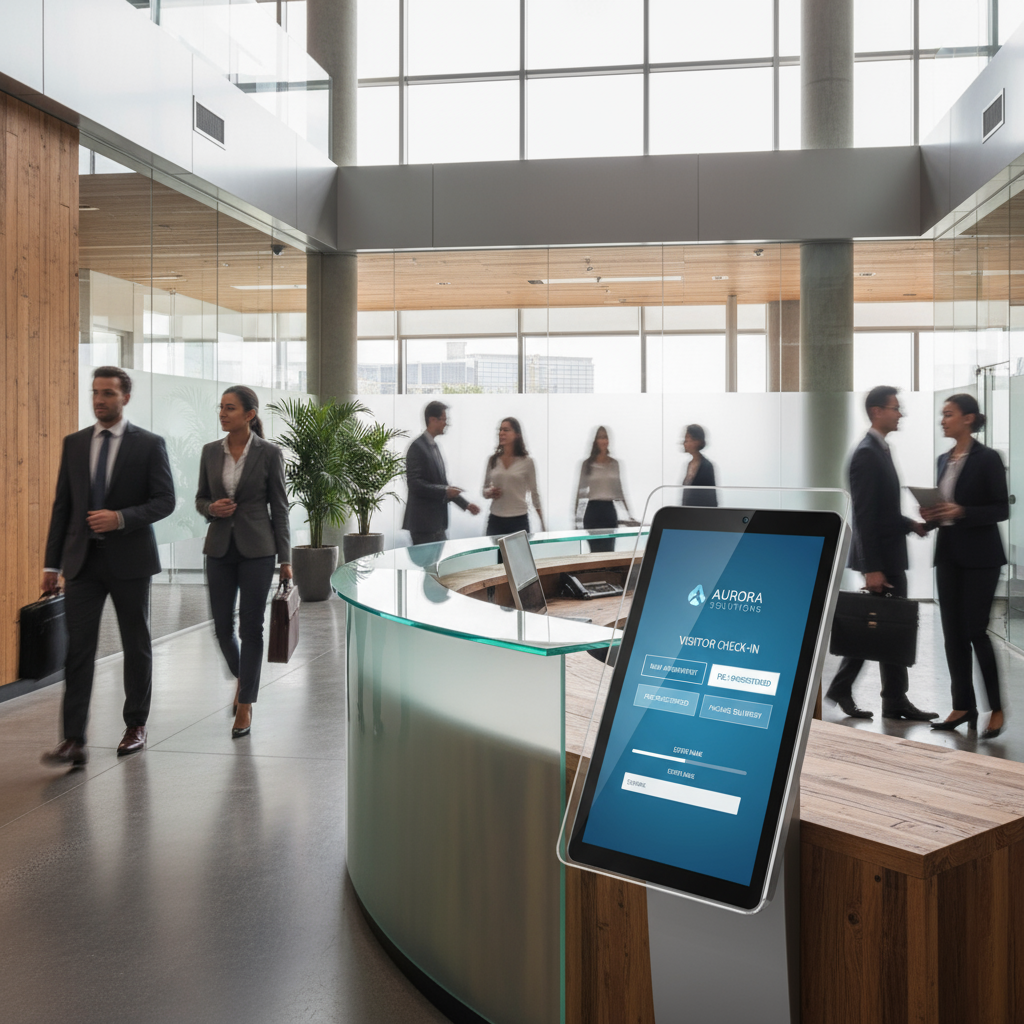
An Overview of AI Office Reception Solutions Streamlining office administrative processes is a critical part of enhancing efficiency in today’s fast-paced working environments. As experts in AI-powered reception solutions, we understand the power this technology packs in revolutionizing visitor management structures. In this article, we delve into how Telalive AI receptionist, an AI receptionist…