Last week, a business owner told me about a call he couldn’t stop thinking about.
A customer had called in about a custom order. Specific dimensions. A delivery constraint. One small preference that mattered. He remembered the customer sounded serious. He remembered promising to follow up. But by Friday, the detail that would have closed the job was gone.
Not because his team didn’t care. Because the conversation ended, and the memory went with it.
AI receptionists are getting better. Good.
This week’s news about vcita and PickMyCall launching an AI voice receptionist is another sign that the market is moving. More businesses now understand that calls don’t have to die in voicemail, and owners don’t have to stay chained to the phone.
That’s progress. But it also reveals something bigger.
Most businesses do not actually have an answering problem. They have a memory problem.
“If a conversation shaped a sale, a service issue, or a customer relationship — and nobody captured it — that intelligence is gone.”
Look, answering the phone is table stakes. The real question is what happens after the call.
Did the business learn anything? Did the customer become more knowable? Did the next employee who speaks to that person inherit context, or start from zero again?
Conversations are the biggest untapped dataset in the business
We’ve spent twenty years teaching businesses to store transactions. Orders, invoices, tickets, payments. But the highest-signal part of the business often happens before any transaction exists.
It happens in the first phone call. In the walk-in question at the counter. In the field visit where a customer casually mentions the real problem. In the supplier conversation where pricing pressure shows up before margins do.
- Intent: what the customer actually wants, not just what they clicked
- Constraints: timing, budget, urgency, location, approval chain
- Emotion: frustration, hesitation, confidence, confusion
- Opportunity: the upsell, repeat need, or referral signal hidden in plain speech
And yet most of it disappears. A few notes in a CRM if you’re lucky. A sticky note if you’re not. Usually, nothing.
There’s a reason this matters now. McKinsey has estimated that employees spend nearly 20% of their workweek searching for internal information or tracking down colleagues who can help with specific tasks. And according to Salesforce’s State of the Connected Customer reports, customers consistently expect connected experiences where they don’t have to repeat themselves across interactions.
Those two facts belong together. Inside the company, people are hunting for context. Outside the company, customers are irritated that context is missing.
Think about last Tuesday’s calls. How many customer names can you remember?
Now think about the details that actually moved those conversations forward: urgency, objections, timing, special requests. That’s the part most businesses lose.
Before: every interaction starts over
Take a home services company. A customer calls on Monday about replacing a gate motor. They mention the property manager needs a quote by Thursday, the tenant only allows access after 3 p.m., and they’ve had two previous failures with cheap parts.
By Wednesday, the dispatcher remembers “gate repair.” The technician sees a basic job note. When the customer calls back, they repeat the whole story. Again.
That is how revenue slips. Not in dramatic ways. In small moments of friction, repetition, and lost trust.
After: every conversation compounds
Now imagine that same business with memory infrastructure.
The first inbound call is handled through Telalive. It doesn’t just answer. It captures the conversation, structures the key facts, updates the customer profile, and triggers the right follow-up. The next person who touches that account doesn’t inherit a blank page. They inherit context.
Then the technician arrives on site and uses MIC05 during the field conversation. The customer mentions a second issue at the rear entrance and says they’ll likely need maintenance across three other properties next quarter. That doesn’t stay trapped in the technician’s head or buried in an end-of-day recap. It becomes part of the account memory.
- Customer profile: preferences, constraints, history, recurring needs
- Operational follow-up: quote deadlines, scheduling windows, parts concerns
- Revenue signal: expansion opportunities, service bundles, future projects
That is a very different business. Same calls. Same team. Same customers. But now the business remembers.
This is bigger than reception
The industry is waking up to AI voice agents. Good. It should. The phone is still one of the highest-intent channels in business, especially for local services, healthcare practices, trades, and appointment-driven companies.
But if all we do is automate the front desk, we’ve solved the smallest part of the problem.
The bigger problem is that businesses have built systems for paperwork, not for spoken reality. Real work happens in words. And words vanish fast.
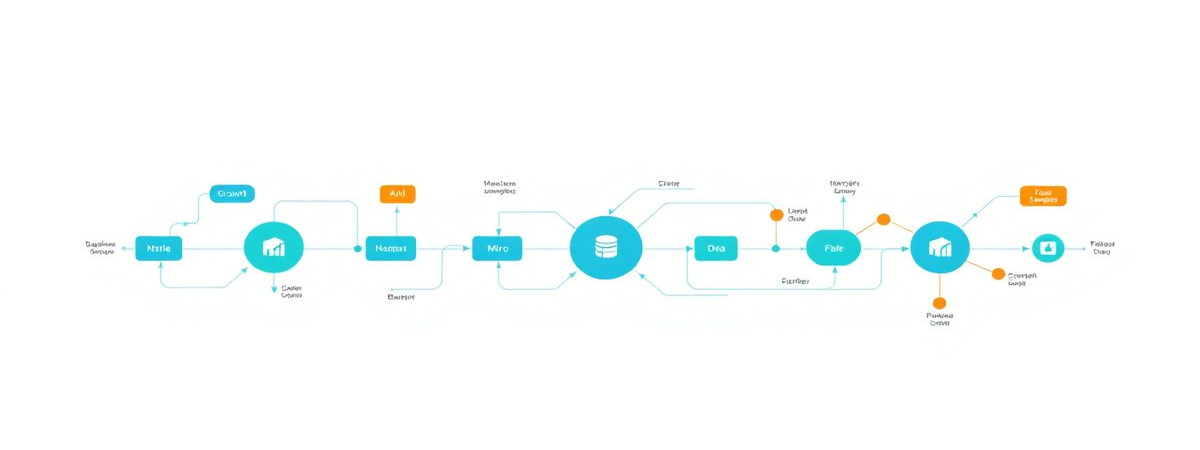
That’s why we built an Enterprise Memory System. Telalive handles the phone layer. MIC05 captures in-store and field conversations. MIC06 handles meetings and conference environments where decisions are made, objections surface, and next steps get spoken before they ever get typed.
Together, they do something most AI products don’t: they create continuity. One memory across channels. One place where the business can actually know what it knows.
The companies that win will not be the ones with the most AI tools
They’ll be the ones that stop letting their best information evaporate.
OpenAI’s launch of ChatGPT reached 100 million monthly active users faster than any consumer app in history, which tells you how quickly AI interfaces can spread. But adoption is not the same as foundation. A business can stack tool after tool and still forget what customers said yesterday.
And that is the shift I think this latest wave of AI receptionists is pointing toward. We are moving from answering to remembering. From transcripts to usable memory. From isolated interactions to compounding customer intelligence.
A receptionist can pick up the phone. An agent can book the appointment. But the business that captures every real conversation — and turns it into structured, executable assets — is building something far more valuable than automation.
It is building a company that does not forget.
“I’m Trigg — CEO at GMIC AI. We build AI solutions that actually ship, from phone agents to custom hardware.”
What Can GMIC AI Do for You?
From AI phone agents to custom hardware — we’ve got you covered.