Building Trusted Physical AI Hardware for the U.S. Market
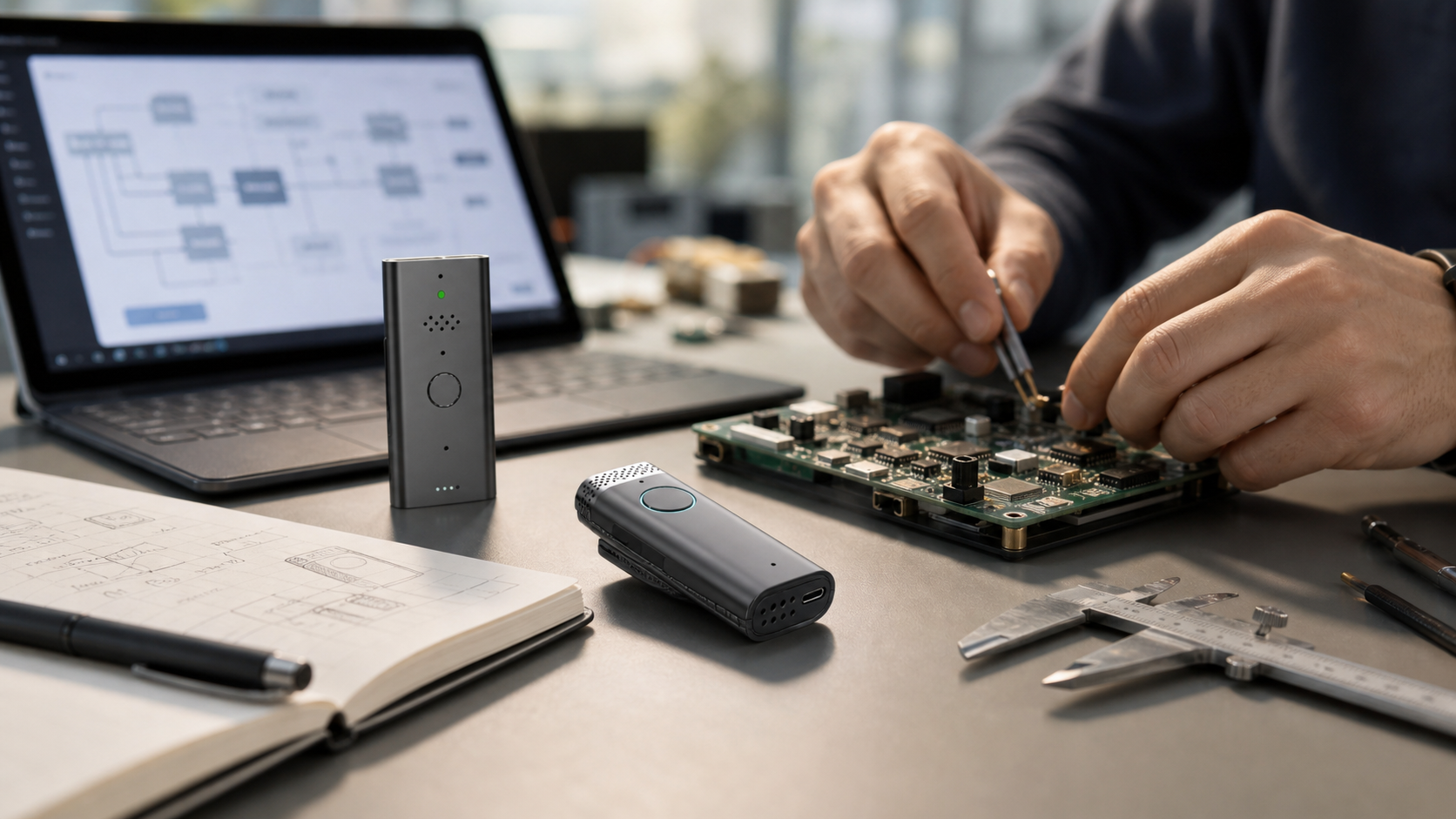
Physical AI is moving artificial intelligence beyond screens and software applications and into devices that can perceive, understand, and interact with the real world. These systems may include robots, wearable AI devices, smart cameras, autonomous machines, sensor terminals, industrial equipment, and AI-enabled environments. What they share is a combination of physical sensors, AI models,…
Custom AI Voice Hardware for Enterprise Meetings: From Prototype to Production
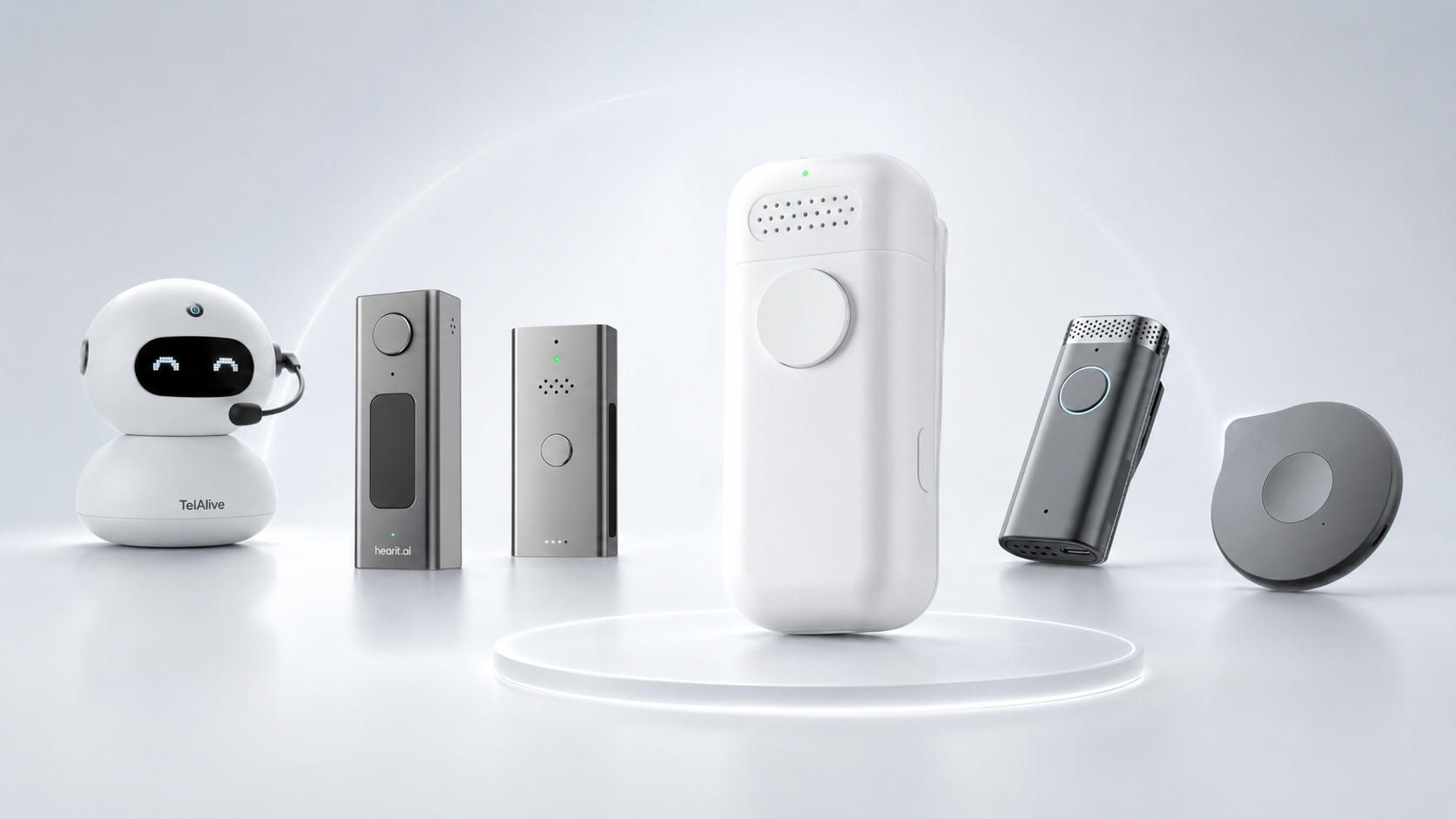
Enterprise AI software is becoming increasingly capable of transcribing conversations, separating speakers, generating summaries, identifying action items, and turning spoken information into structured business data. However, the quality of these AI outputs still depends on one essential input: reliable audio. Smartphones and laptops can support initial testing, but they are not always designed for…
AI Hardware Architecture: A Complete Guide to Designing Intelligent Devices
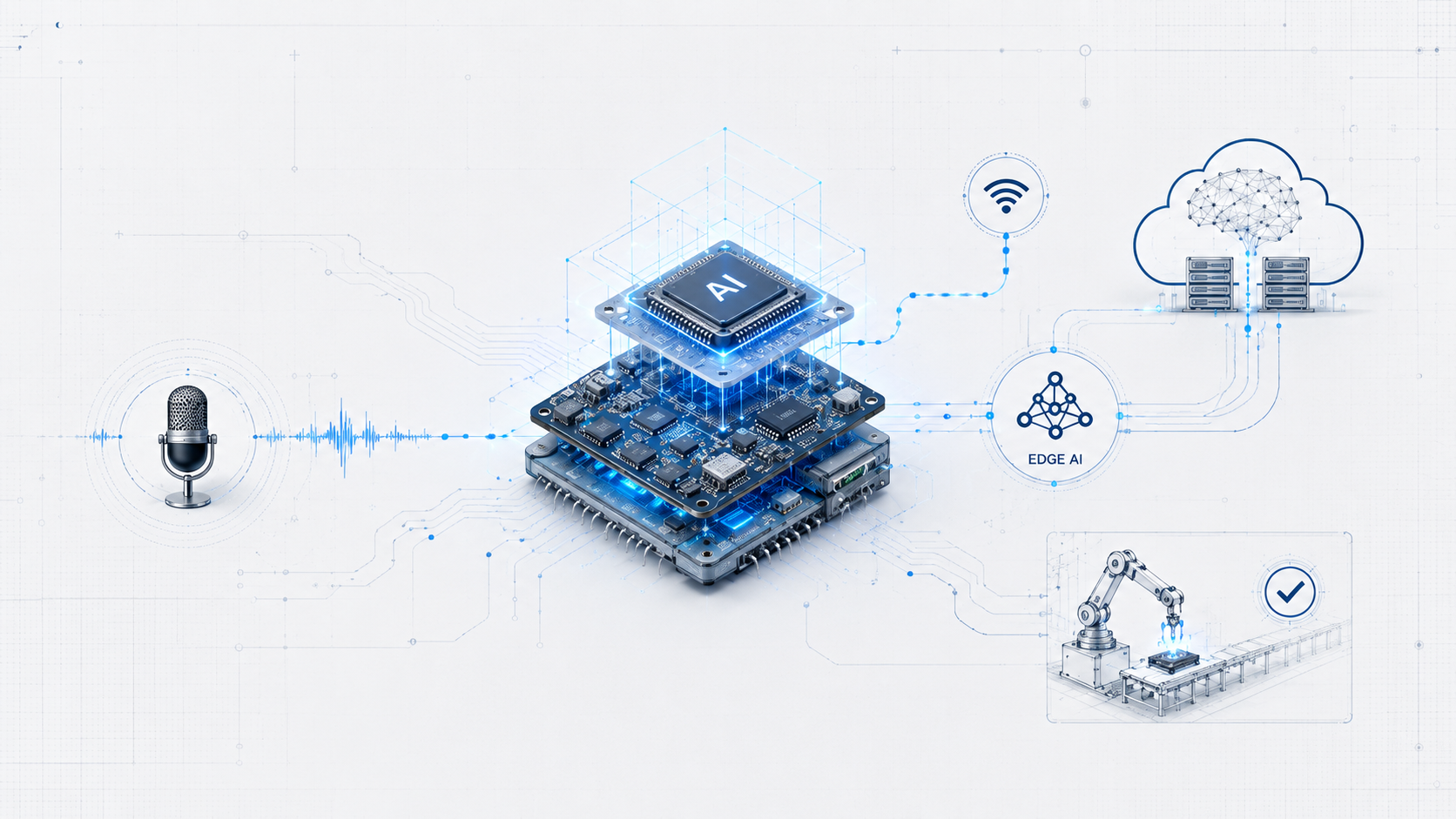
Artificial intelligence has become dramatically more capable over the past few years, but even the most advanced AI models depend on one thing to interact with the real world: hardware. Whether it’s an AI voice recorder capturing conversations in a noisy hospital, smart glasses assisting field technicians, or wearable devices supporting enterprise workflows, the…

The Best Part of AI Is Silence
AI phone agents are improving fast. But the real shift is bigger: capturing every business conversation and turning it into memory, action, and time back.
AI Recording Devices and Reality Memory Infrastructure
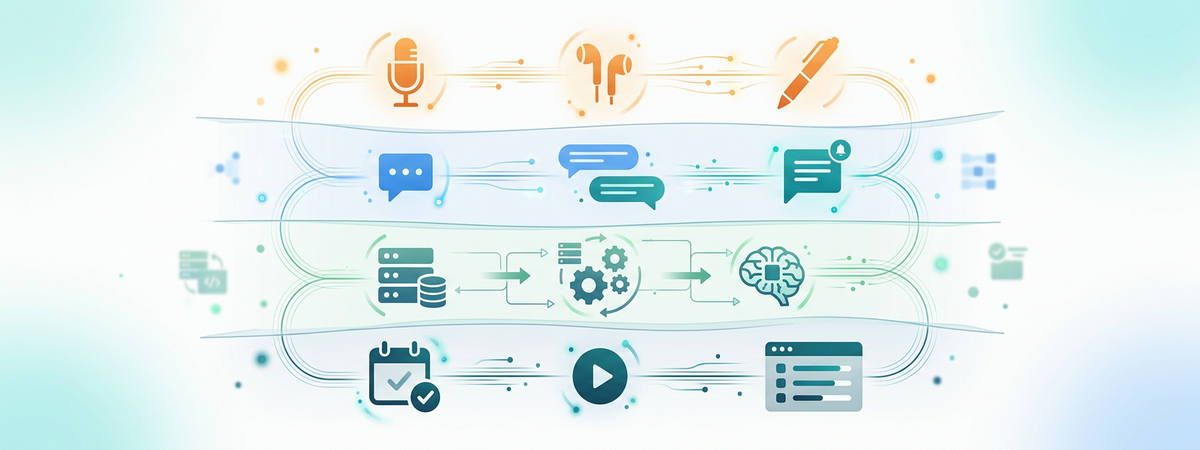
This article argues that AI recording devices are becoming a major infrastructure layer not because recording hardware is novel, but because continuous audio can provide the real-world context AI has been missing. It also explains why privacy, IM integration, memory systems, and trustworthy execution matter more than hardware miniaturization alone.