CLINMIC V7: Clinical Memory for the Fastest Moments in Care
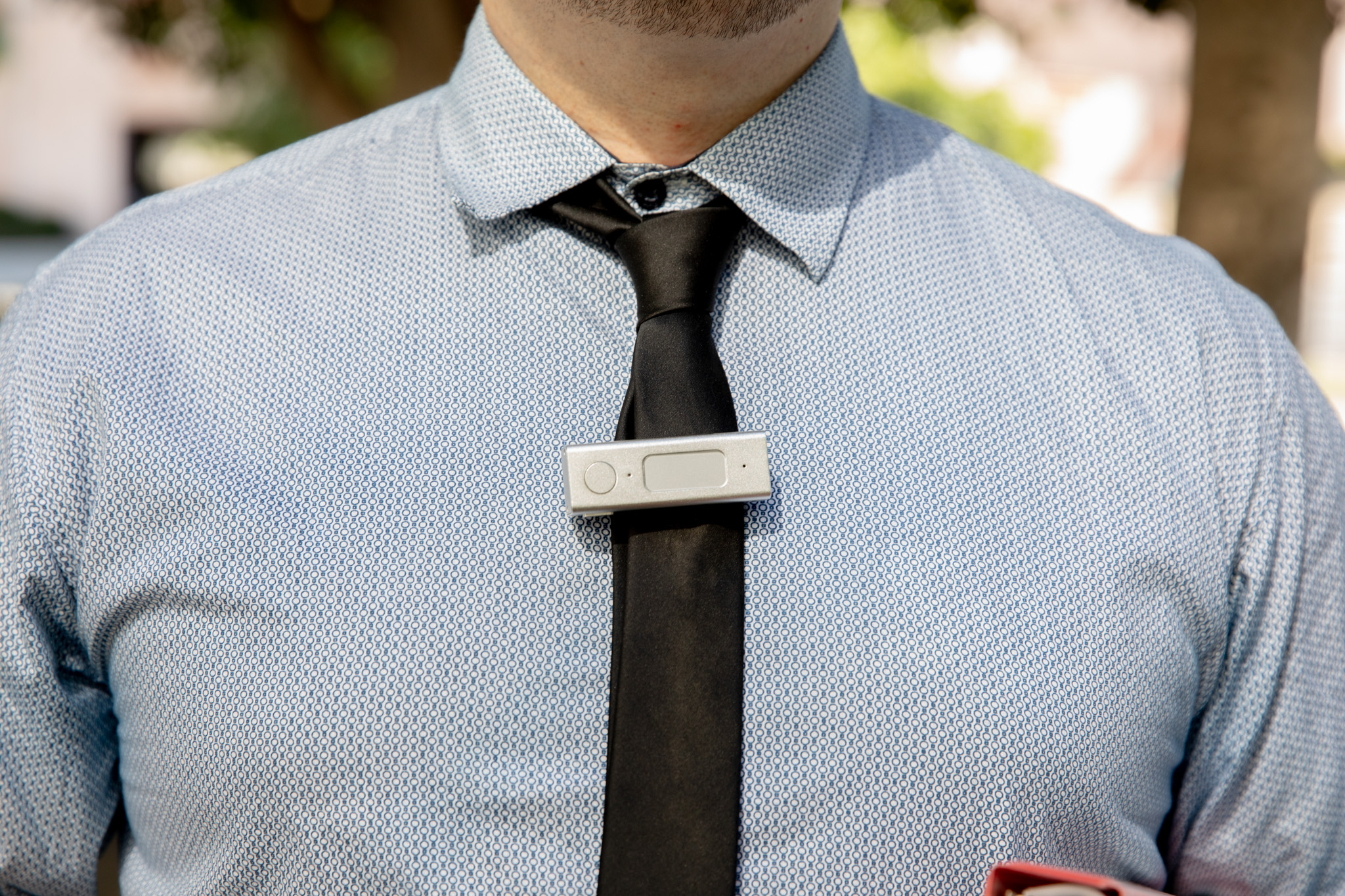
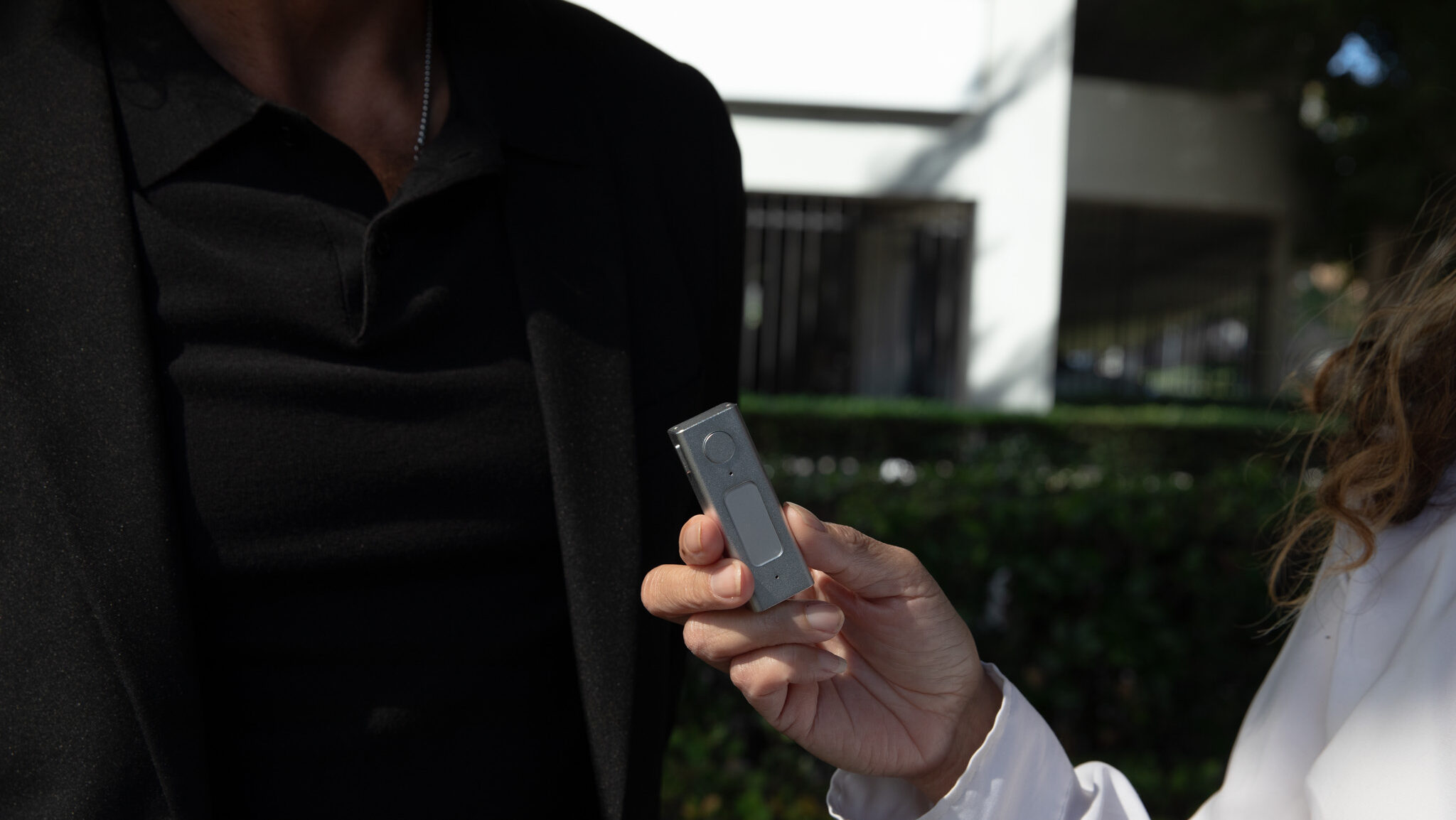
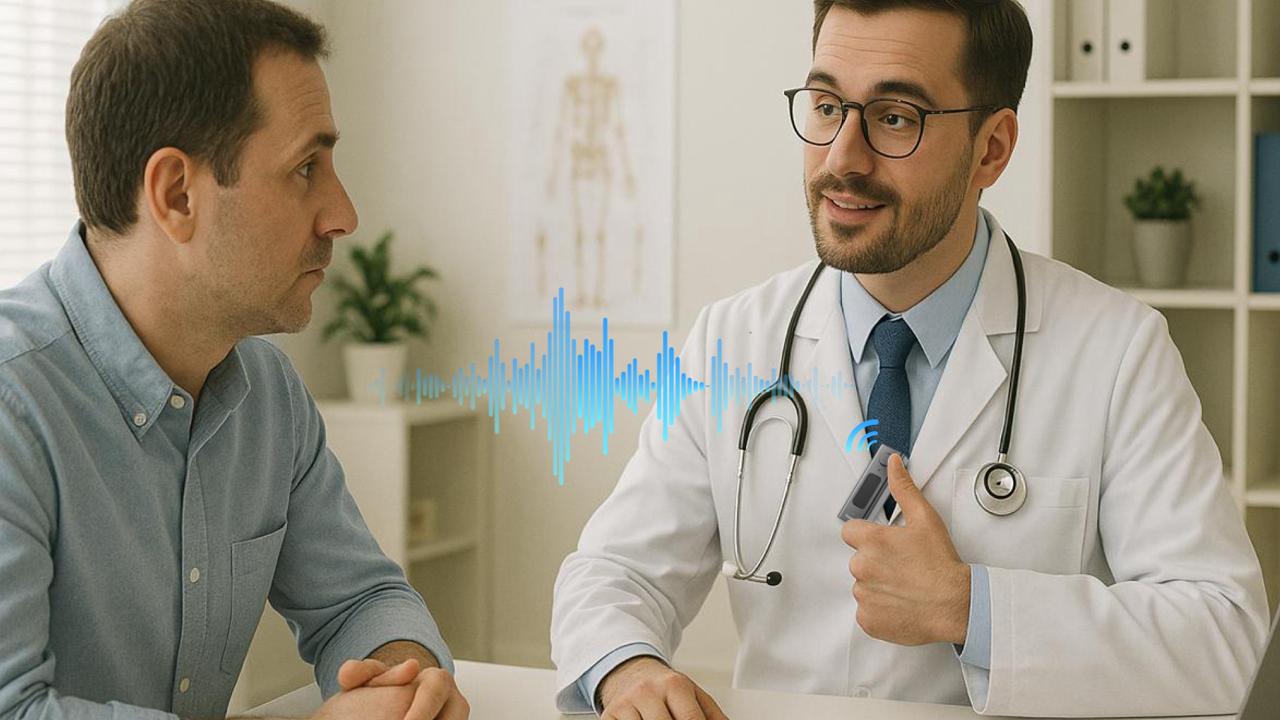
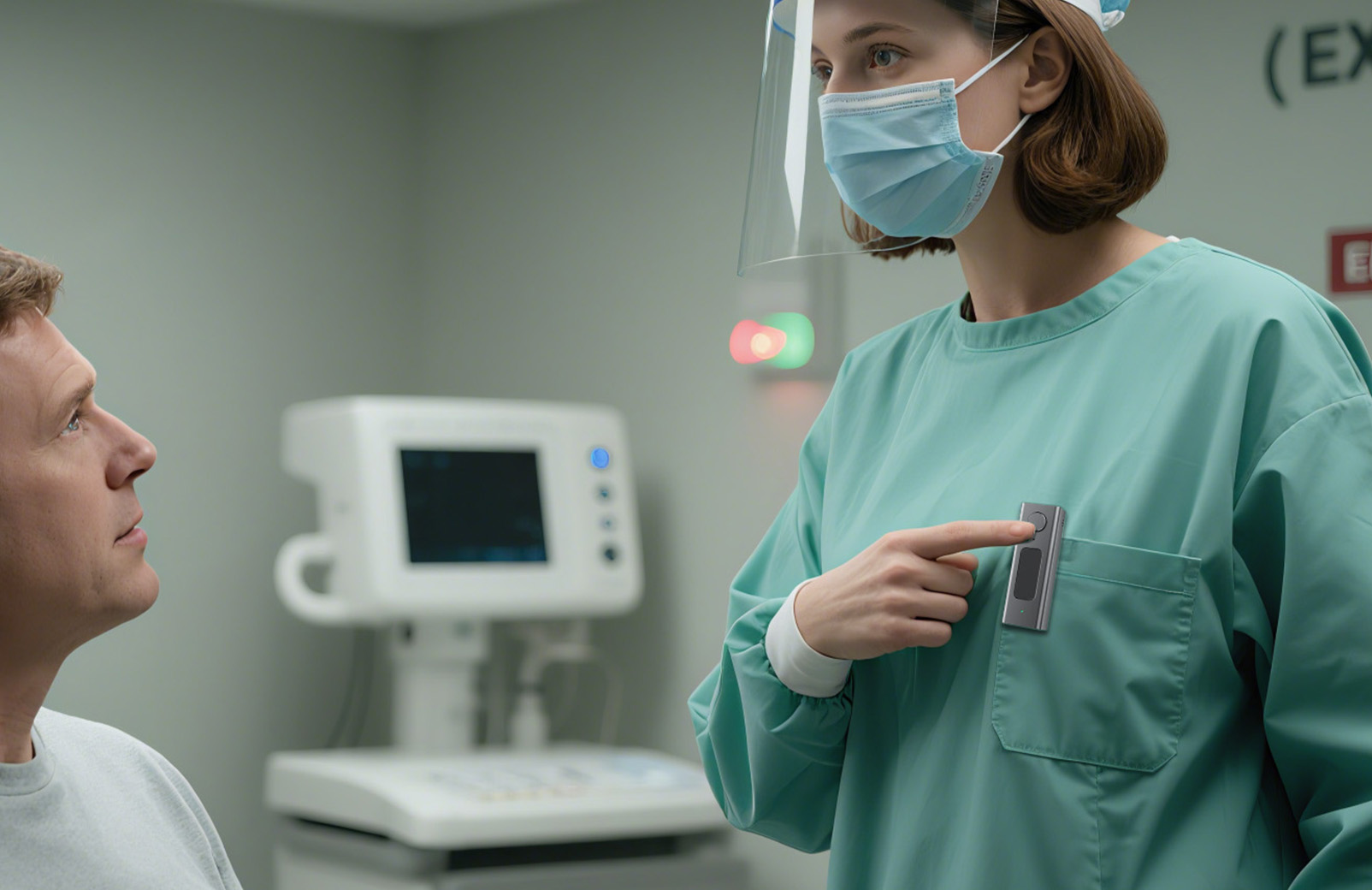
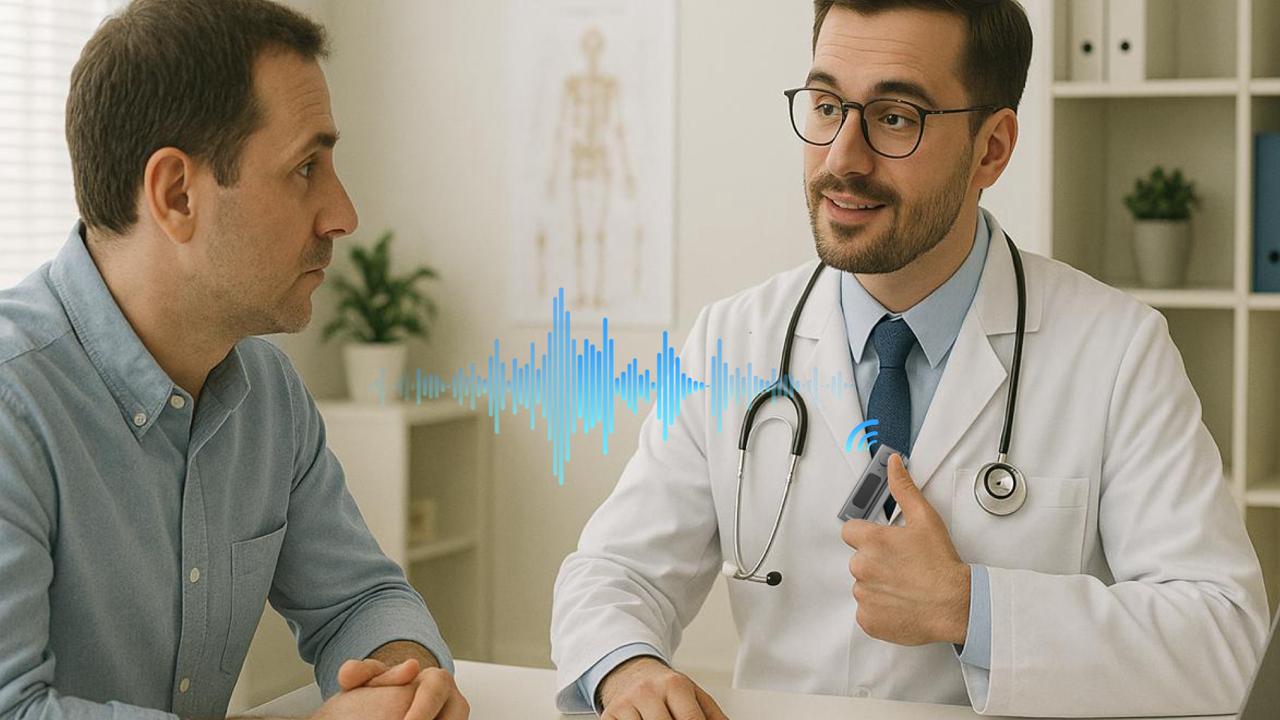
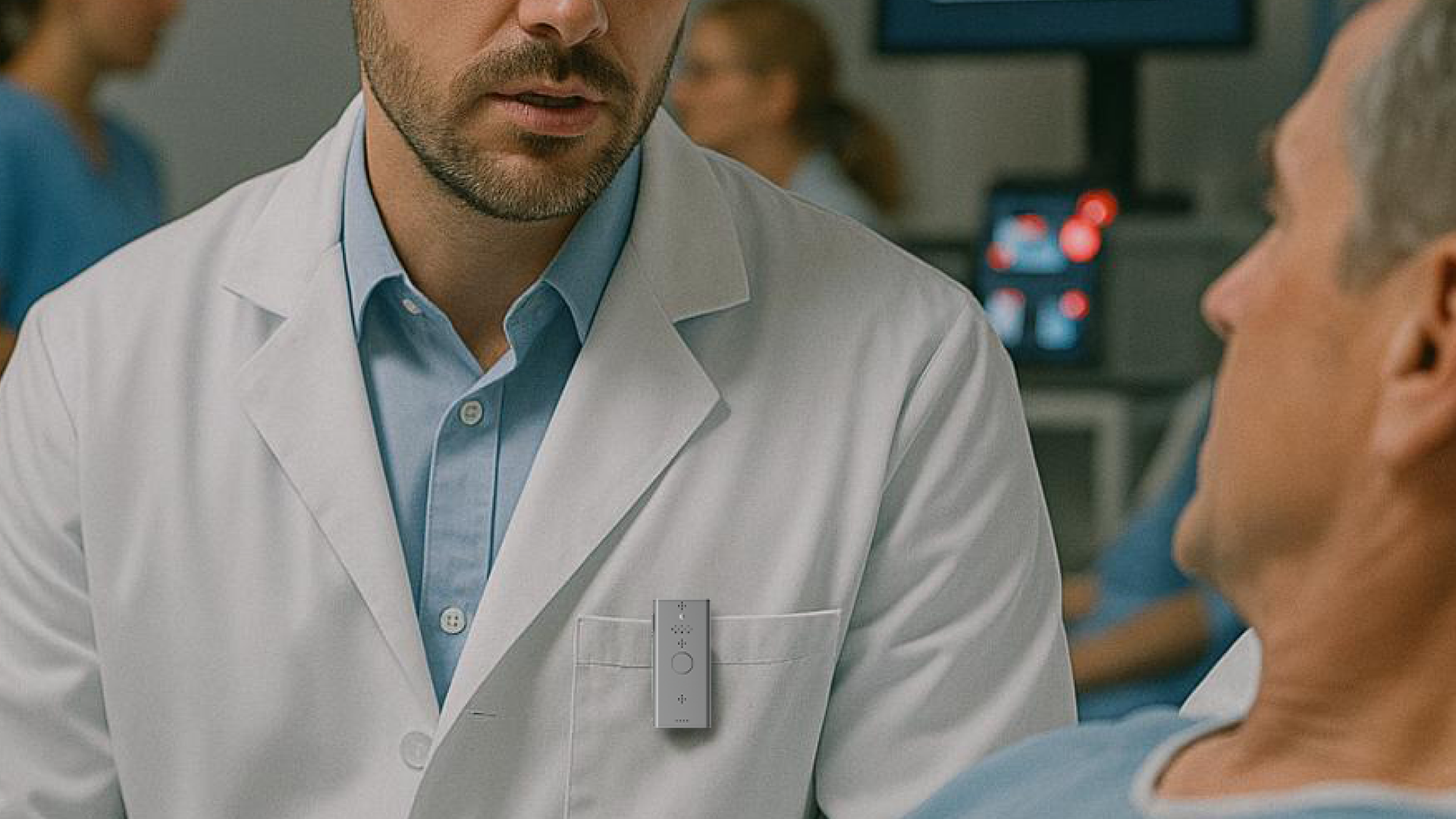
CLINMIC V7 is GMIC AI’s concept for a privacy-first wearable clinical memory layer designed for emergency care, bedside care, rounds, and handoff.

What Airlines Teach Us About Wearable AI in Healthcare
Estimated reading time: 9–11 minutes Key takeaways Table of contents An airline’s revised boarding policy, aimed at improving efficiency: what it teaches us about wearable AI microphones in healthcare and beyond Picture this: you’re standing in a boarding line that barely moves. People shuffle, bags bump, announcements repeat, and the clock keeps ticking. Everyone…
Measles Cases Surge—How Wearable AI Enhances Clinical Efficiency
Estimated reading time: 8–10 minutes Key takeaways Table of contents A busy clinic, a measles headline, and a documentation problem Measles surge + wastewater surveillance: why early detection increases the need for fast, accurate notes Sources for deeper reading The simple problem: clinicians can’t type as fast as care happens What is a wearable…
Impact of Tesla’s Optimus on Wearable AI in Healthcare
Estimated reading time: 9–11 minutes Key takeaways Table of contents Elon Musk, Optimus, and the real healthcare “robot” already working today Picture a normal morning in a busy hospital. A doctor walks fast from room to room. A nurse is juggling vitals, meds, and questions from families. Everyone is doing real work—yet the laptop…
Exploring Apple’s Wearable AI Pin for Healthcare
Estimated reading time: 8–10 minutes Key takeaways Table of contents A voice-first morning: why this matters now You’re walking into work with your hands full. A coffee in one hand. A laptop bag in the other. Your phone is buzzing. You’re already behind on notes, messages, and tasks—and you haven’t even sat down yet.…
How DJI’s Mic Mini Enhances Audio for Healthcare Teams
Estimated reading time: 9–11 minutes Key takeaways Table of contents It’s 7:42 a.m. and the day is already loud A nurse calls out a room number. A patient asks a question. A clinician tries to capture a key detail—meds, symptoms, timing—while walking to the next exam room. The phone notes app is open, but…
The Mixed Impact of AI Coding on Healthcare Solutions
Estimated reading time ~7 minutes Key takeaways Table of contents A loud hallway, a familiar problem It’s 7:12 a.m. and the hallway is already loud. A clinician walks fast between rooms. A patient has questions. A nurse needs an order clarified. The EHR is open, but there’s no time to sit and type. The…

How AI Wearable Devices Are Transforming the Way Doctors Work
Over the past decade, artificial intelligence (AI) has reshaped healthcare — from diagnostic algorithms to predictive imaging. But a new wave of innovation is happening at the edge: AI-powered wearable devices. These small yet intelligent tools are changing how doctors capture, process, and act on information, freeing them from repetitive tasks and helping them…

“AI-Driven Audio Capture: A Game-Changer in Healthcare Documentation and Workflows”
In today’s healthcare landscape, effective and efficient patient care hinges on the seamless flow of accurate and accessible patient information. This necessitates a dynamic shift from traditional methods to advanced technologies like AI-driven audio capture. This blog elucidates how our product, a trailblazing healthcare voice documentation tool, is leading the charge in transforming clinical…
Clinmic Enhances Documentation Accuracy Amid Rising Intracranial Hemorrhage Risks in Older Adults
As fall-related head injuries in older adults increasingly demand precise clinical documentation, Clinmic wearable AI scribe hardware offers a reliable solution for real-time voice capture and transcription. Summary A recent meta-analysis of 17 observational studies involving over 22,000 patients aged 65 and older found that nearly 7% of older adults presenting to emergency departments…
Clinmic Enhances Clinical Documentation Amid Evolving Plasma Donation Guidelines in Australia
Clinmic wearable AI scribe hardware supports clinicians by streamlining voice capture and transcription in dynamic healthcare settings. Summary Recent changes by the Australian Blood Service have removed sexual activity wait times for most plasma donors, including gay and bisexual men, transgender individuals, and men taking PrEP. This policy update reflects advances in HIV testing,…
Medical Dictation Wearable Device with AI Transcription: The Future of AI Hardware in Healthcare
In recent months, the tech world has been buzzing with news that Apple is preparing to launch its own AI hardware devices. This confirms a trend we’ve already seen in healthcare: the shift toward dedicated AI hardware that combines software intelligence with purpose-built devices. One of the clearest examples of this transformation is the…
AI Scribe Hardware for Surgeons: Documentation Without Distraction
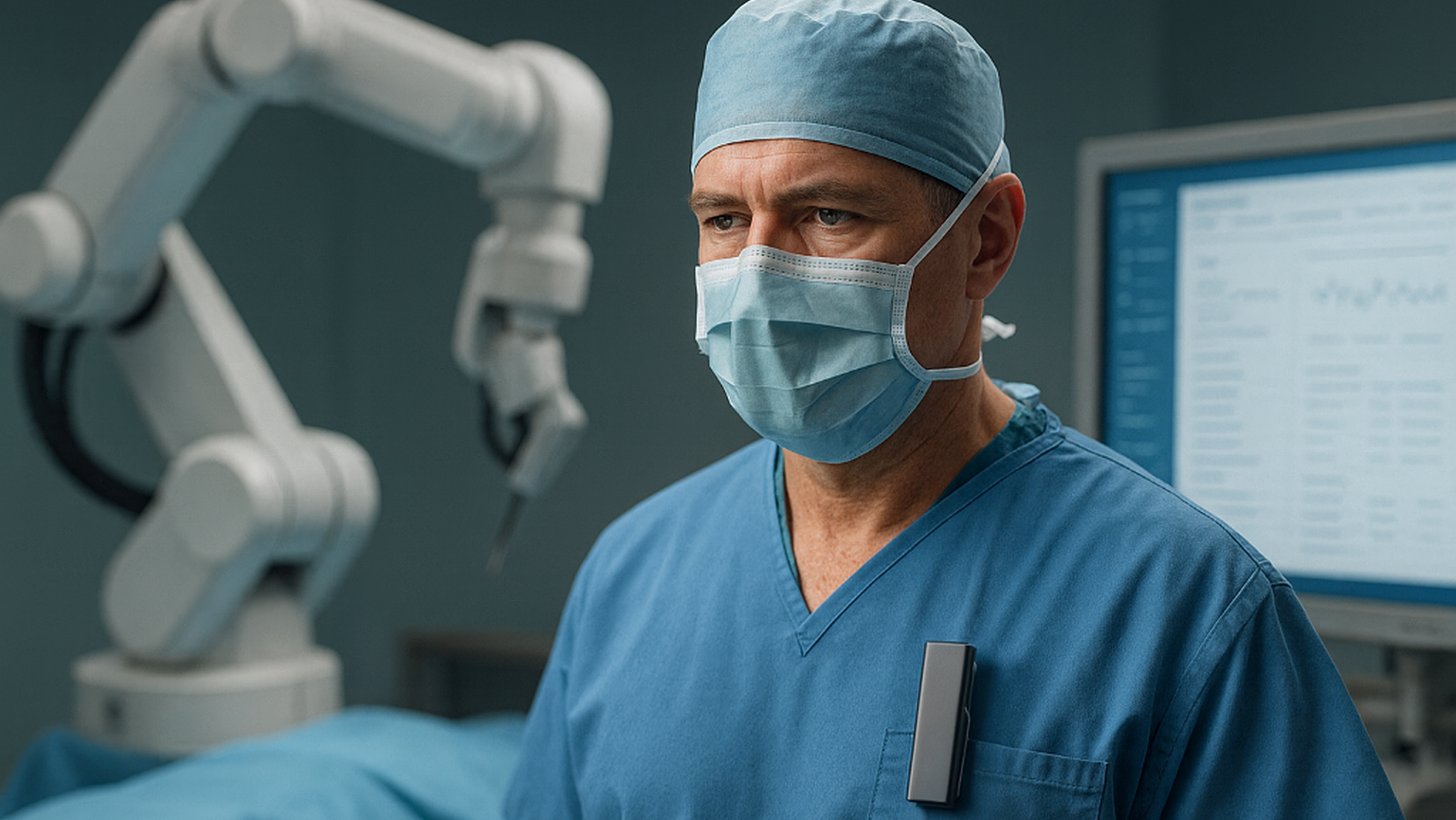
Surgeons face one of the most demanding jobs in healthcare. Every second in the operating room matters, and stopping to type notes or interact with a screen is simply not an option. Yet, documentation remains essential. This is where a hands-free AI scribe for surgeons makes a real impact. Why Surgeons Need Hands-free AI…

Clinmic and the Rise of Autonomous Surgical Robotics: Enhancing Clinical Documentation
As autonomous robotic surgery advances, Clinmic wearable AI scribe hardware offers clinicians a reliable solution for hands-free, accurate voice capture in complex medical environments. Summary Recent research demonstrated a robotic system capable of performing portions of gallbladder removal surgery without human assistance. Using a hierarchical AI framework trained on surgical videos, the robot successfully…

Clinmic Perspective: Rapid Care Access Improves Outcomes in HIV
Recent research on rapid care pathways in HIV treatment has highlighted important clinical workflow considerations where Clinmic wearable AI scribe hardware can support efficient and accurate documentation. Summary A study conducted at an HIV clinic in Miami compared outcomes for patients who received rapid-acting antiretroviral therapy with those who received traditional standard-of-care treatment. Those…
Voice-Enabled AI Scribe Hardware for Doctors: Restoring Human Connection in Healthcare
In modern medicine, one of the greatest challenges doctors face is balancing clinical documentation with meaningful patient interaction. Patients often feel their doctors spend more time staring at screens than listening to them. This is not a reflection of physicians’ intentions, but of a healthcare system overloaded with paperwork. AI scribe software has been…

Voice-Enabled AI Scribe Hardware for Doctors: Bringing Clinical Efficiency to the Next Level
For decades, medical professionals have faced a common dilemma: how to keep up with ever-increasing documentation demands without sacrificing patient care. While AI-powered medical scribe software has become a helpful ally, the true breakthrough comes when software intelligence is paired with dedicated hardware designed for doctors. At GMIC AI INC, we believe hardware is…
Voice-Enabled AI Scribe Hardware for Doctors: Transforming Clinical Documentation
In today’s healthcare environment, physicians are under immense pressure to balance quality patient care with the burden of clinical documentation. Traditional note-taking methods—typing or dictating into a mobile device—take valuable time away from patient interaction and often lead to burnout. That’s where an AI dictation wearable for doctors comes in. Unlike regular apps or…
Wearable AI Medical Scribe Hardware for Hospitals: Turning AI Into Practical, Hands-Free Documentation
Why Hardware Matters Beyond Software In today’s healthcare environment, most AI scribe solutions are positioned as purely software-driven — APIs, SaaS subscriptions, or integrations into EHR systems. While these models are powerful, they often assume clinicians already have the perfect recording setup: quiet spaces, dedicated devices, and flawless connectivity. This assumption creates a gap.…
Implementation of Wearable AI Medical Scribe Hardware to Enhance Clinical Documentation in Hospitals
Abstract Clinical documentation is a cornerstone of modern healthcare, influencing both patient outcomes and operational efficiency. However, manual note-taking and transcription often consume significant time and introduce risks of error. This paper explores the implementation of wearable AI medical scribe hardware in hospital environments, evaluating its technical capabilities, integration pathways, and potential to improve…
Between the beeps of monitors and the urgency of traumabays, technology should be as invisible as air—yet vital inevery breath. That is why Clinic exists: one touch, instant insight, noscreens, no wake words.Attention returns to the patient; Al handles the rest. Al-Powered Healthcare A Major Transformationin Healthcare Our Mission Revolutionizing Healthcare Al Seamless Interaction,Lightning…
Voice-First Healthcare Documentation Solution
AI-POWERED HEALTHCARE Transforming Patient Carewith Voice AI Technology Book a Demo EFFICIENCY MEETS CARE Save 1+ Hour DailyFocus More on Patients Learn More SEAMLESS INTEGRATION Voice-First HealthcareDocumentation Solution Request Info ❮❯ Measurable Quantitative Benefits 15% + Clinical documentation time reduced by 15% saving up to 2 minutes per round. 20% + Patient satisfaction improved…