Turn AI models and robotics software into production-ready physical systems with embedded hardware, edge computing, voice and sensor integration, firmware, connectivity, and manufacturing support.
Physical AI combines artificial intelligence with real-world hardware so machines can perceive their environment, process information, communicate, and take action in the physical world.
For robotics and embodied AI companies, making that intelligence work outside the lab requires more than an AI model. It requires reliable sensing, embedded computing, connectivity, firmware, audio, power, and production-ready electronics.
GMIC helps build that hardware layer.
We help connect AI intelligence to the physical world through the electronics, firmware, connectivity, and interfaces required for reliable deployment.
Integrate MCU, SoC, and edge computing platforms for local processing, low-latency response, and reliable operation when cloud connectivity is limited.
Design voice interfaces with microphones, speakers, audio DSP, noise reduction, echo cancellation, and far-field voice capture for real-world environments.
Connect cameras, microphones, IMUs, environmental sensors, and other inputs required for machines to understand their surroundings.
Build reliable communication between the device, cloud, mobile apps, and other systems using Wi-Fi, Bluetooth, USB, Ethernet, or cellular connectivity.
Integrate firmware, APIs, SDKs, OTA updates, and AI pipelines so hardware works reliably with your existing software stack.
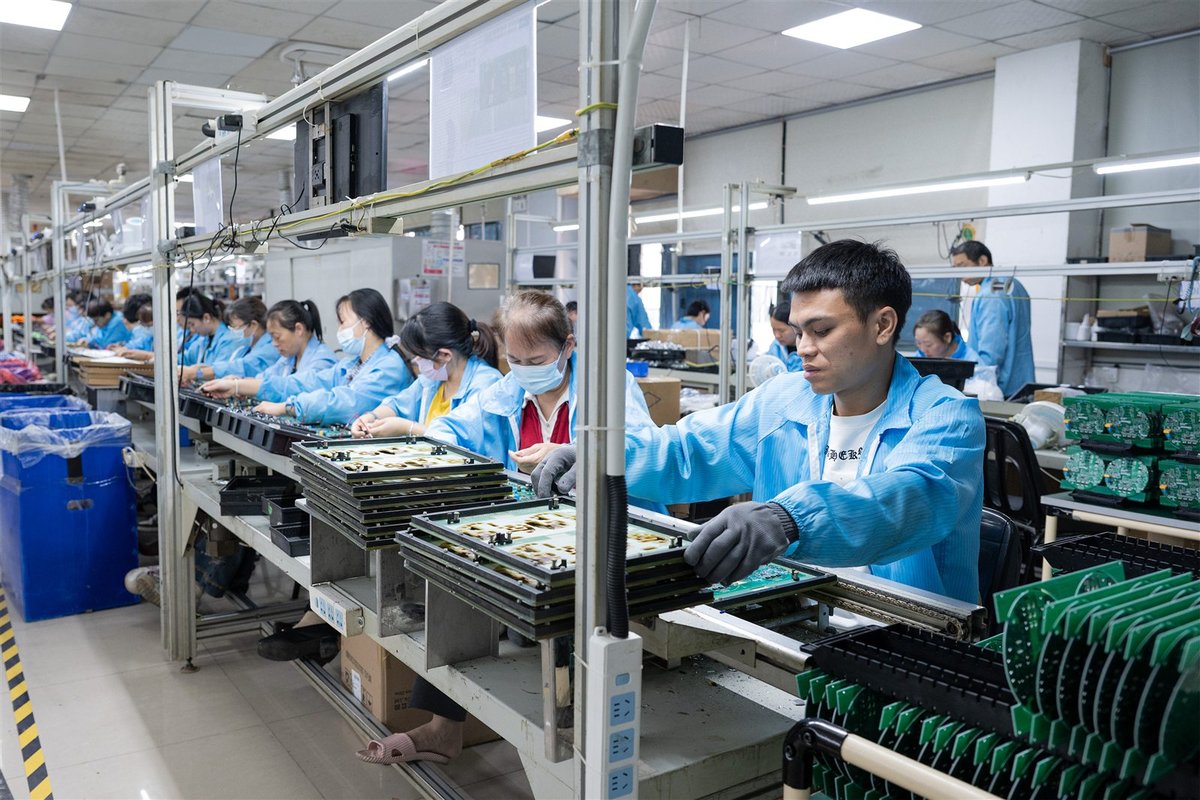
Move beyond development boards with custom PCB and PCBA design optimized for product size, power, cost, reliability, and manufacturing.
A robotics prototype may work with development boards, external sensors, loose cables, and off-the-shelf components. Turning that prototype into a product requires a completely different level of hardware engineering.
GMIC helps Physical AI teams productize the electronics around their existing AI or robotics system.
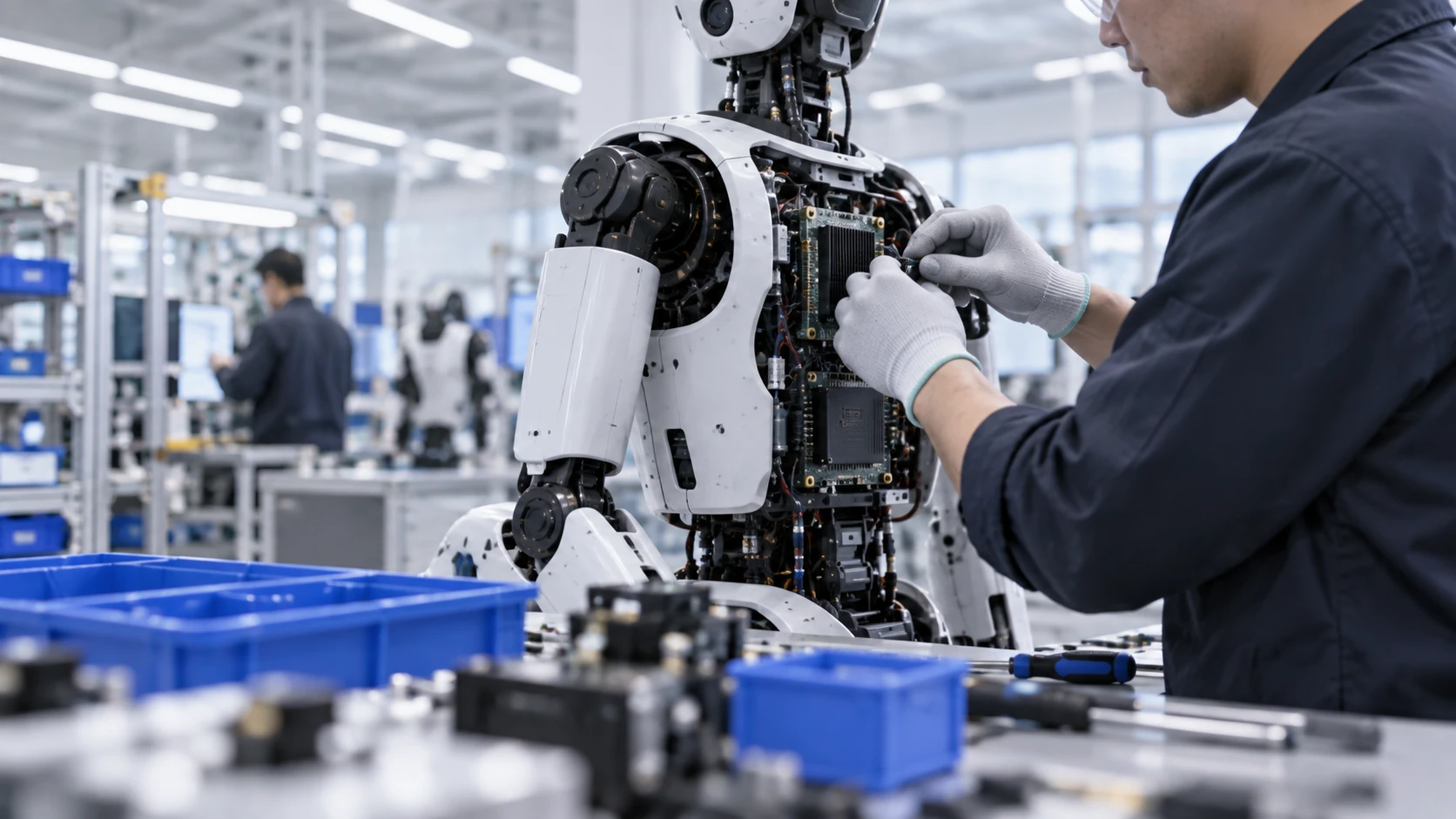
Already have a working AI or robotics prototype? We can help turn it into manufacturable hardware.
Discuss Your PrototypeOnce the hardware architecture is validated, GMIC helps prepare the product for reliable and cost-effective production.
Design hardware for repeatable and scalable manufacturing.
Balance performance, component availability, and target unit cost.
Manage electronics sourcing through established supply-chain resources.
Move from development boards to integrated production electronics.
Support enclosure tooling, assembly planning, and production setup.
Define functional testing and production validation procedures.
Establish quality controls for pilot and mass production.
Prepare hardware for applicable regulatory and market requirements.
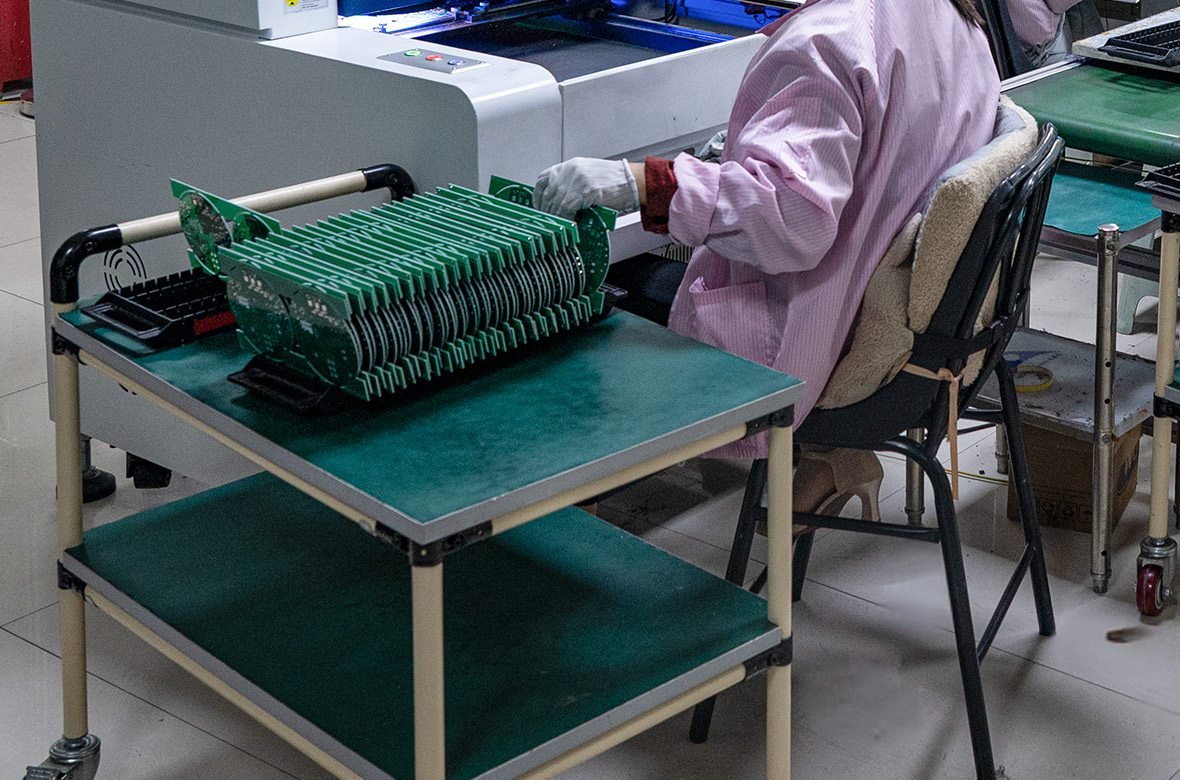
PCB
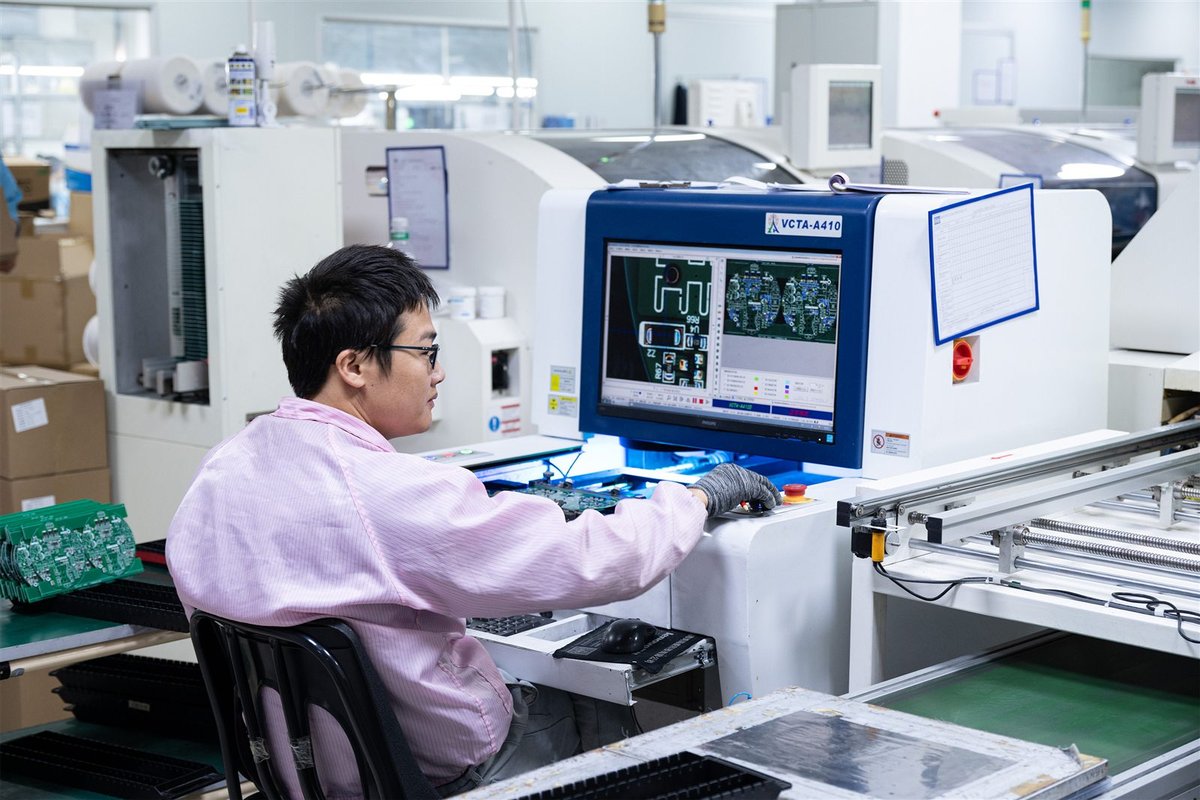
PCBA
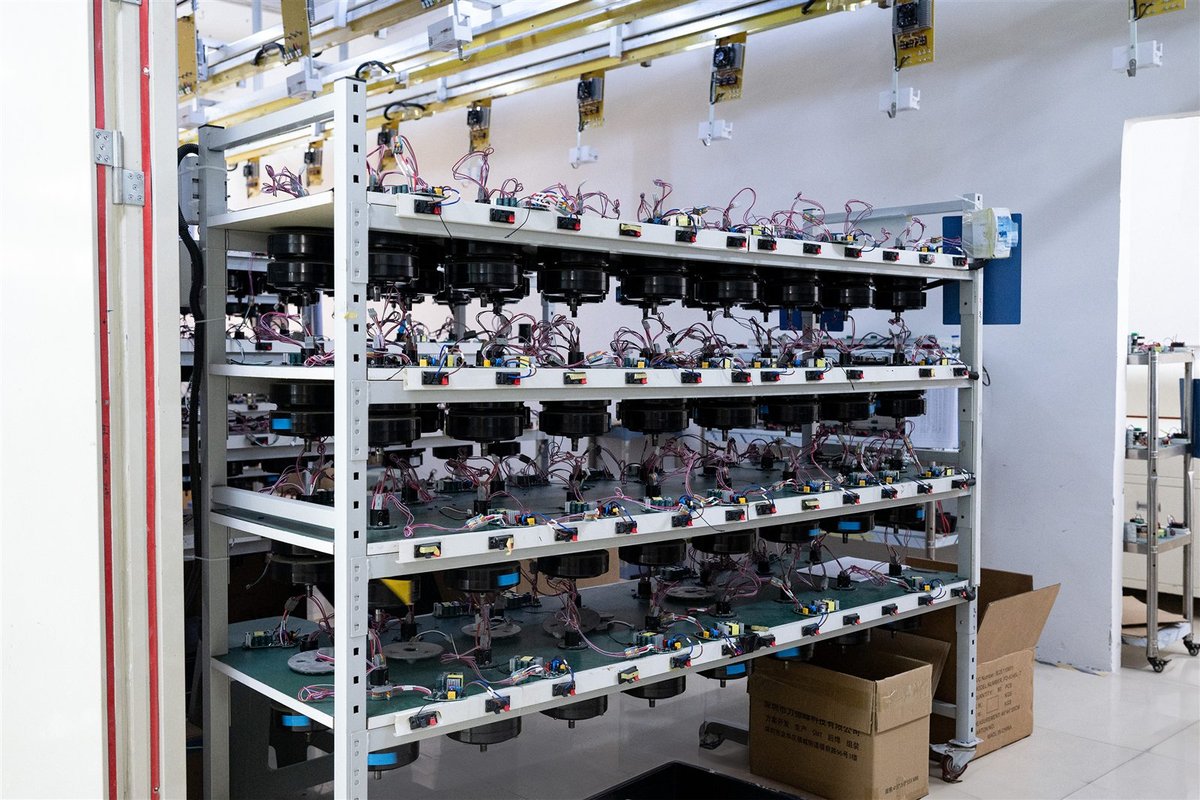
Engineering test
Production line
Different Physical AI products require different combinations of sensing, voice, edge computing, connectivity, and embedded hardware.
Hardware for robots that need to hear, communicate, connect, and interact naturally with people.
Learn moreConnected hardware for AI companions, elder-care devices, home assistants, and other intelligent consumer robotics.
Edge computing, sensing, connectivity, and embedded electronics for robots operating in industrial and logistics environments.
Voice, sensing, connectivity, and embedded hardware for clinical, patient-care, and healthcare robotics applications.
You build the intelligence. We help build the hardware around it.
Whether your product uses a VLA, VLM, AI agent, speech model, computer vision system, or proprietary robotics software, GMIC helps integrate the hardware required to bring that intelligence into a deployable physical product.
Your AI Stack
GMIC Hardware Layer
GMICAdd hardware development and production capabilities without building every engineering function internally.
Work with one partner from hardware architecture and prototyping through EVT, DVT, PVT, and manufacturing.
Start from existing hardware platforms when speed matters, then customize as requirements become clearer.
Move to custom PCB, electronics, audio, connectivity, and enclosure solutions when off-the-shelf hardware is no longer enough.
Connect hardware to your cloud, models, APIs, SDKs, and device workflows.
Design with manufacturing, sourcing, testing, cost, and reliability in mind from the beginning.
Tell us what you're building, what already exists, and what needs to be productized. Our team can help evaluate the hardware path from prototype through production.
Discuss Your Project