
You’re helping a customer at the register. Someone wants a return. Another person is asking if the jacket comes in medium. Your phone rings once, then stops.
An hour later, when the store finally goes quiet, you call back. No answer. They already bought somewhere else.
The retail call problem is not a phone problem
Zoom’s recent piece on why small retail businesses are missing calls is timely because every owner knows this moment. You’re not ignoring customers. You’re in the middle of real work. The floor is busy, the staff is thin, and the phone always rings at the worst possible time.
But the bigger issue isn’t that the call was missed. It’s that the conversation never entered the business.
That shopper asked if you had a product in stock. They asked about store hours, sizing, pickup, alterations, returns, or whether an item could be held until the afternoon. That is demand. That is buying intent. And for most small retailers, it disappears the second the phone stops ringing.
- A missed call is one loss: you may lose that sale.
- A missed conversation is bigger: you lose the reason they called, what they wanted, and what your market is telling you.
- And when nothing is captured: there is nothing to follow up on, nothing to learn from, and nothing to reuse.
This is why I think most of the market is aiming too low. The industry keeps talking about AI receptionists as coverage. Helpful, yes. But coverage is not the end state.
The real shift is infrastructure. Businesses do not need one more AI tool sitting on top of chaos. They need a memory system that captures every conversation and turns it into something usable.
Retail is full of short conversations that decide long-term revenue
In retail, people act like only the transaction matters because that’s what shows up in the POS. But a huge amount of revenue is decided before the transaction.
The phone call asking if a stroller fits in a compact car. The in-store chat about whether a sofa fabric can handle dogs. The employee huddle where staff compare what customers kept asking for all weekend. The supplier call about delayed inventory. The fitting room conversation where someone says, “I’ll come back Friday if you still have it.”
“If it’s not captured, it doesn’t exist. And if it doesn’t exist, it can’t compound.”
Most of those moments vanish. Nobody writes them down. Nobody structures them. Nobody turns them into a follow-up, a product decision, a campaign, or a better script for the next employee.
That’s the blind spot. Small retail doesn’t just have a staffing problem. It has an evaporation problem.
And the data around phone behavior makes the urgency obvious. According to Google’s research on local shopping behavior, phone calls remain a high-intent action for people trying to make a decision now, especially when they need confirmation before visiting. Separately, Invoca has reported that consumers often call when they are closer to purchase and need answers that websites don’t give them. And Microsoft’s State of Global Customer Service report found that people still prefer human help for more complex issues, especially when speed matters.
In other words: these are not random interruptions. They are buyers raising their hand.
Think about last Saturday’s calls. How many customer names, product questions, and promised callbacks can you actually remember?
If the answer is “not many,” the issue is bigger than staffing. Your business is operating without memory.
An AI receptionist helps. But memory is what changes the business.
This is where I part ways with the usual pitch.
Yes, an AI receptionist can answer when your team is busy. That matters. If a customer calls asking whether the navy dress is still available in size 8, they should get an answer immediately, not after lunch.
But if that call ends and all you did was survive it, you’re still leaving value on the table.
With Telalive, the call is not just answered. It is captured. The customer’s intent, product interest, urgency, and follow-up needs become structured memory. Now the store knows that three people asked about the same item before noon. Now the owner can see repeated objections. Now the team can generate follow-ups, restock signals, and even marketing content based on what real customers actually asked for.
That is a different category. Not phone coverage. Revenue memory.
The same problem exists inside the store
Retail owners know this already, even if they haven’t named it. The best information in the business often comes from the sales floor, not the software.
A customer says the gift set is confusing. Someone asks for a product you stopped carrying six months ago. A staff member explains the same sizing issue ten times in one afternoon. Those are signals. Most stores lose them because there is no capture layer for offline conversation.
That’s why we built MIC05 as the offline voice layer. In-store and field conversations can be captured and turned into structured insights instead of disappearing at closing time. And for larger meetings, buying reviews, and team discussions, MIC06 captures the room so decisions do not die in someone’s notebook or memory.
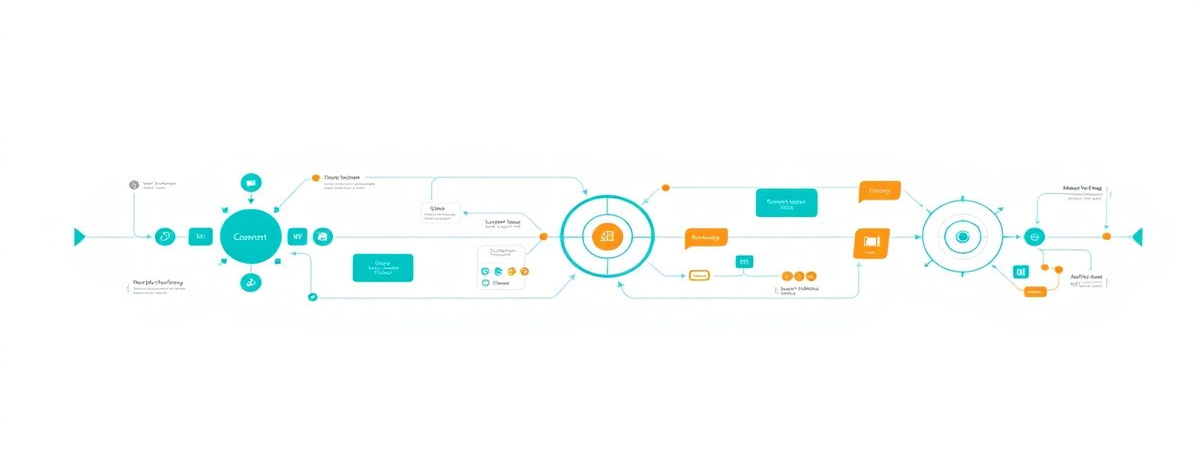
Now connect the pieces. Telalive captures the phone. MIC05 captures the floor. MIC06 captures the meeting. Together they form an Enterprise Memory System.
Not an AI tool. The company’s memory infrastructure.
- Calls become profiles: who asked, what they wanted, what happened next.
- In-store talk becomes insight: recurring objections, product demand, staff knowledge gaps.
- Team discussions become execution: follow-ups, content, process changes, supplier action.
This is why the current AI conversation feels too small
The market is excited about answering the phone. Fair enough. That’s an obvious pain point, and Zoom is right to call attention to it.
But look one level deeper. The business that wins is not the one that merely stops missing calls. It’s the one that stops wasting conversations.
In small retail, every day produces a stream of customer language, objections, requests, and buying signals. Most of it evaporates. Then owners wonder why marketing feels generic, why inventory decisions feel late, and why staff keep repeating the same mistakes.
Because the business forgot what it just learned.
That’s the shift happening now. AI is moving from answering to remembering. From handling tasks to building continuity. From isolated tools to infrastructure.
And once you see it, you can’t unsee it. The missed call was never the whole problem. It was just the visible symptom of a business with no memory.
The retailers that pull ahead won’t just pick up faster. They’ll remember better, act faster, and compound what every conversation teaches them.
“I’m Trigg — CEO at GMIC AI. We build AI solutions that actually ship, from phone agents to custom hardware.”
What Can GMIC AI Do for You?
From AI phone agents to custom hardware — we’ve got you covered.